
When Should Landlords Replace Smoke and Carbon Monoxide Alarms?
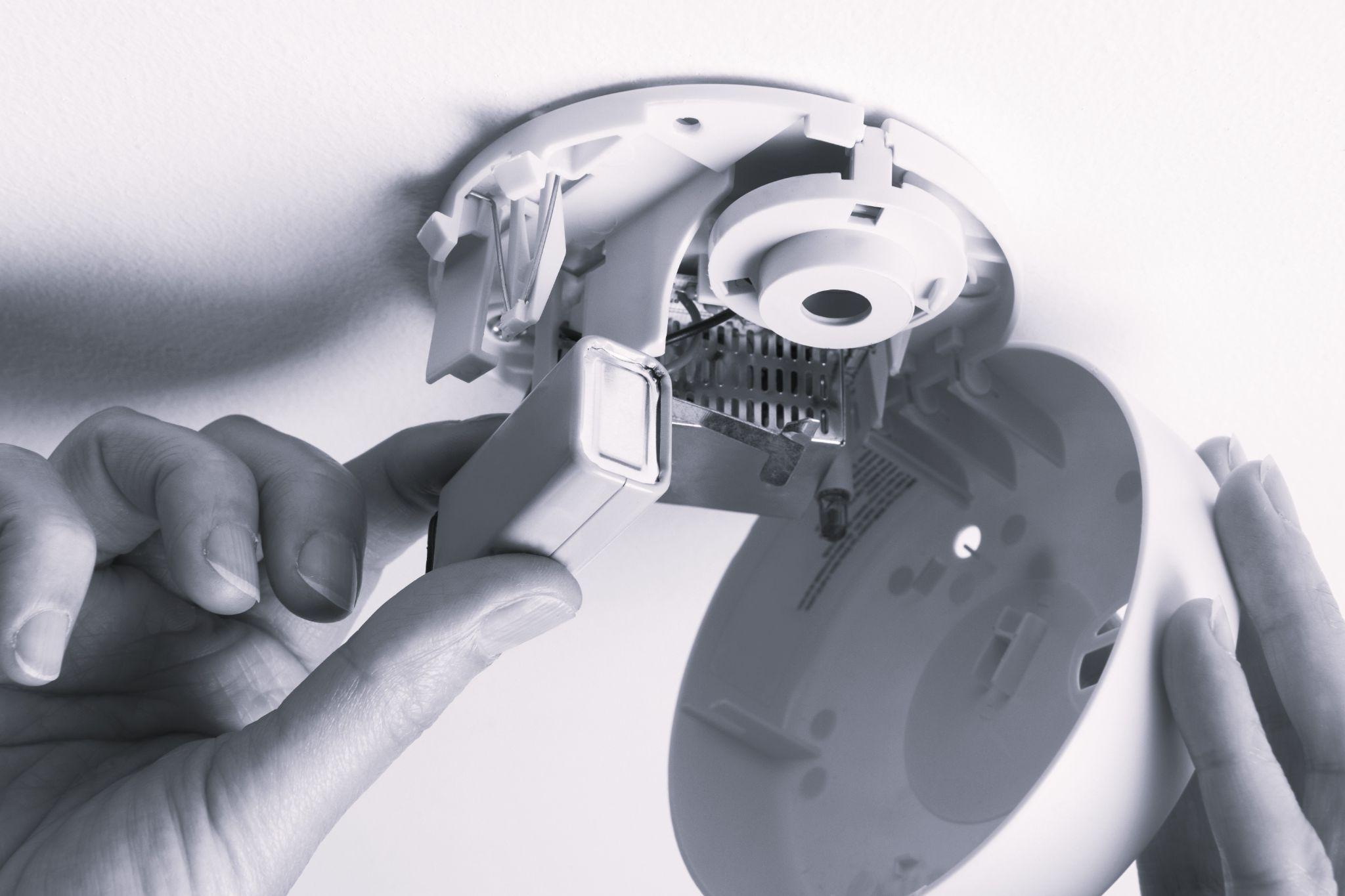
Ensuring the safety of tenants is a top priority for landlords, and one of the most critical ways to do this is by maintaining functional smoke and carbon monoxide detectors. These devices save lives by providing early warnings during emergencies but require regular upkeep and timely replacement. Knowing when you should replace smoke alarms and CO alarms ensures tenant safety.
The Importance of Smoke Detectors in Rental Properties
Smoke detectors are essential safety devices that provide early fire warnings, potentially saving lives and reducing property damage. Who is responsible for replacing smoke alarms in rented properties? Landlords or their property management company bear responsibility for smoke alarms and their replacement when they wear out.
California law mandates all residential rental properties have properly functioning smoke alarms in specific locations, including every bedroom, hallway, outside sleeping areas, and at least one on every level.
The Importance of Carbon Monoxide Alarms in Rental Properties
Carbon monoxide (CO) is a colorless, odorless gas that can be lethal even in small quantities. Common sources include gas heaters, fireplaces, stoves, and other fuel-burning appliances. Without a working carbon monoxide alarm, tenants may be unaware of dangerous CO levels in their homes. California law requires landlords to install carbon monoxide alarms with potential CO sources in rental units.
Lifespan of Smoke and Carbon Monoxide Alarms
Smoke and carbon monoxide alarms are not designed to last indefinitely. Over time, sensors degrade, and the risk of malfunction increases. The lifespan of these devices varies but generally follows these guidelines:
- Smoke alarms: Most units last 8-10 years.
- Carbon monoxide alarms: Typically last 5-7 years, depending on the model.
Replacing alarms near the end of their lifespan is essential to ensure functionality during emergencies.
When to Replace Smoke Alarms
- Age: Smoke detector replacement is recommended every 5-7 years, even if they appear functional.
- Frequent false alarms: This may indicate a malfunction or sensor degradation.
- Physical damage: Replace any alarm that is cracked, broken, or shows signs of wear.
- Non-functional after testing: If the test button fails to trigger the alarm after replacing the battery, it’s time for a replacement.
When to Replace Carbon Monoxide Alarms
- Age: Manufacturers recommend replacing CO alarms every 5-7 years as well.
- End-of-life signal: Most CO alarms emit a chirp or signal when nearing the end of their life.
- Unresponsive during tests: If the device doesn’t sound during a test, replace it immediately.
- Visible wear or damage: Alarms with cracks, discoloration, or defects should be replaced promptly.
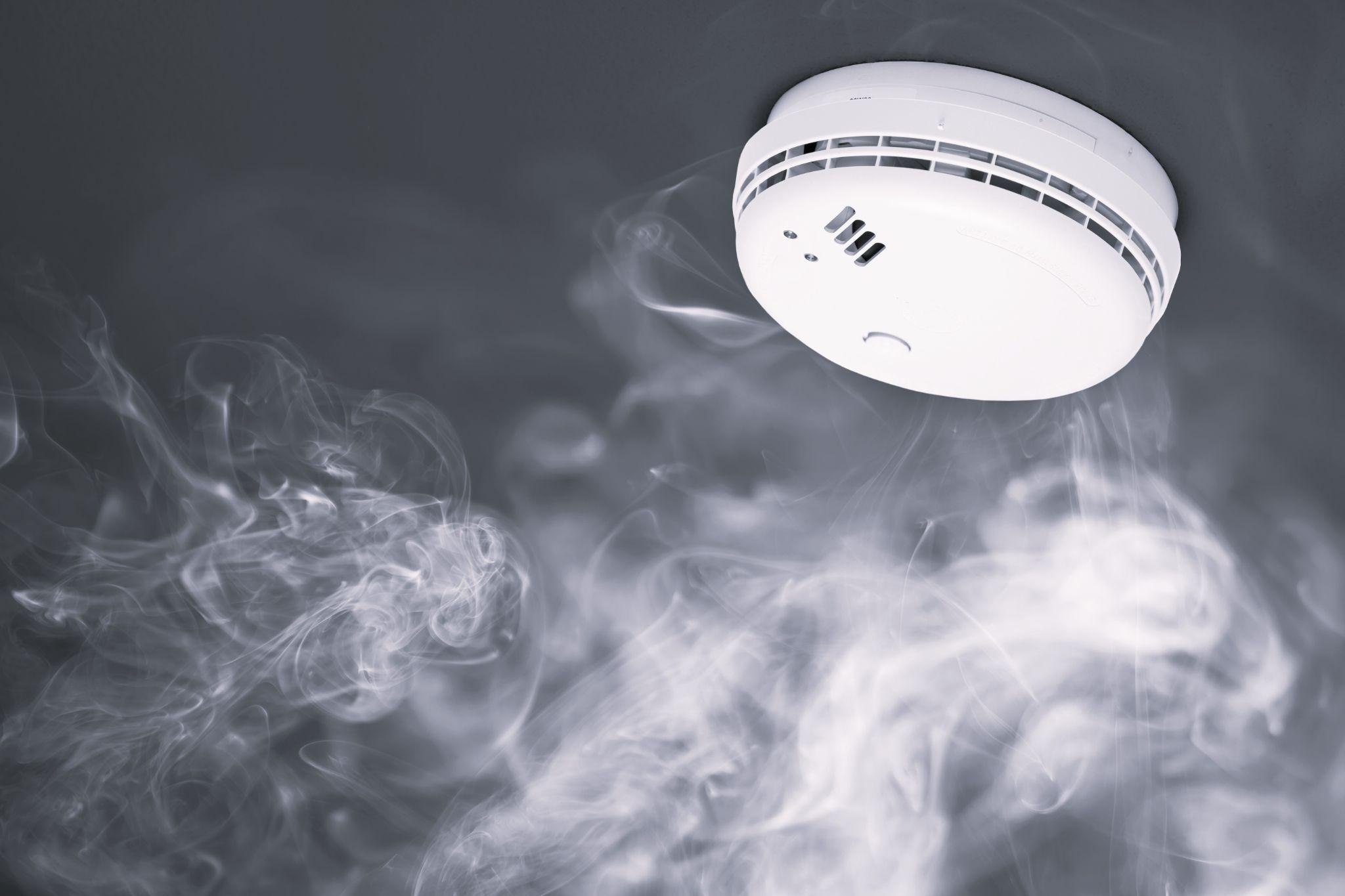
Signs It’s Time to Replace Smoke and Carbon Monoxide Detectors
- Constant chirping: Persistent chirping, even after battery changes, indicates the unit has reached the end of its life.
- Intermittent failures: If an alarm works sporadically or fails to respond during your monthly regular tests, it’s unreliable and should be replaced.
- Past their normal expected lifespan: Check the label on the back of the device for the manufacturer’s date.
Landlord’s Responsibilities in California
Landlord smoke detector laws in California require landlords to:
- Install functioning smoke and carbon monoxide alarms in all required locations before a tenant moves in.
- Ensure all devices comply with the California State Fire Marshal’s regulations.
- Replace alarms as needed, especially when they reach the end of their lifespan.
- Respond promptly to tenant reports of non-functioning alarms.
- Complete inspections and testing of the alarms every year.
Tenant’s Responsibilities in California
Tenants also play a role in maintaining alarm functionality. Their responsibilities include:
- Testing alarms: Tenants should test alarms monthly to ensure they are operational.
- Reporting issues: Notify the landlord immediately if an alarm is not working or appears damaged.
- Avoid tampering: Tenants must not disable or remove alarms, which can compromise safety and violate rental agreements.
- Battery replacement: In some cases, tenants may be responsible for replacing batteries in non-sealed alarms. Landlords should clarify this responsibility in the lease agreement.
Get Help Managing Smoke and Carbon Monoxide Alarms in Rental Properties in Orange County
Protecting your tenants and complying with safety regulations is a significant responsibility for landlords. If you need assistance managing smoke and carbon monoxide detector compliance, let Genuine Property Management, Southern California’s favorite property management company, handle it for you. We ensure everything is taken care of in your rental properties, including CO and smoke detector replacement, giving you peace of mind. Contact us today to learn more.