
Top Five Rental Property Emergencies to Prepare For
Sep 15, 2025 | Library
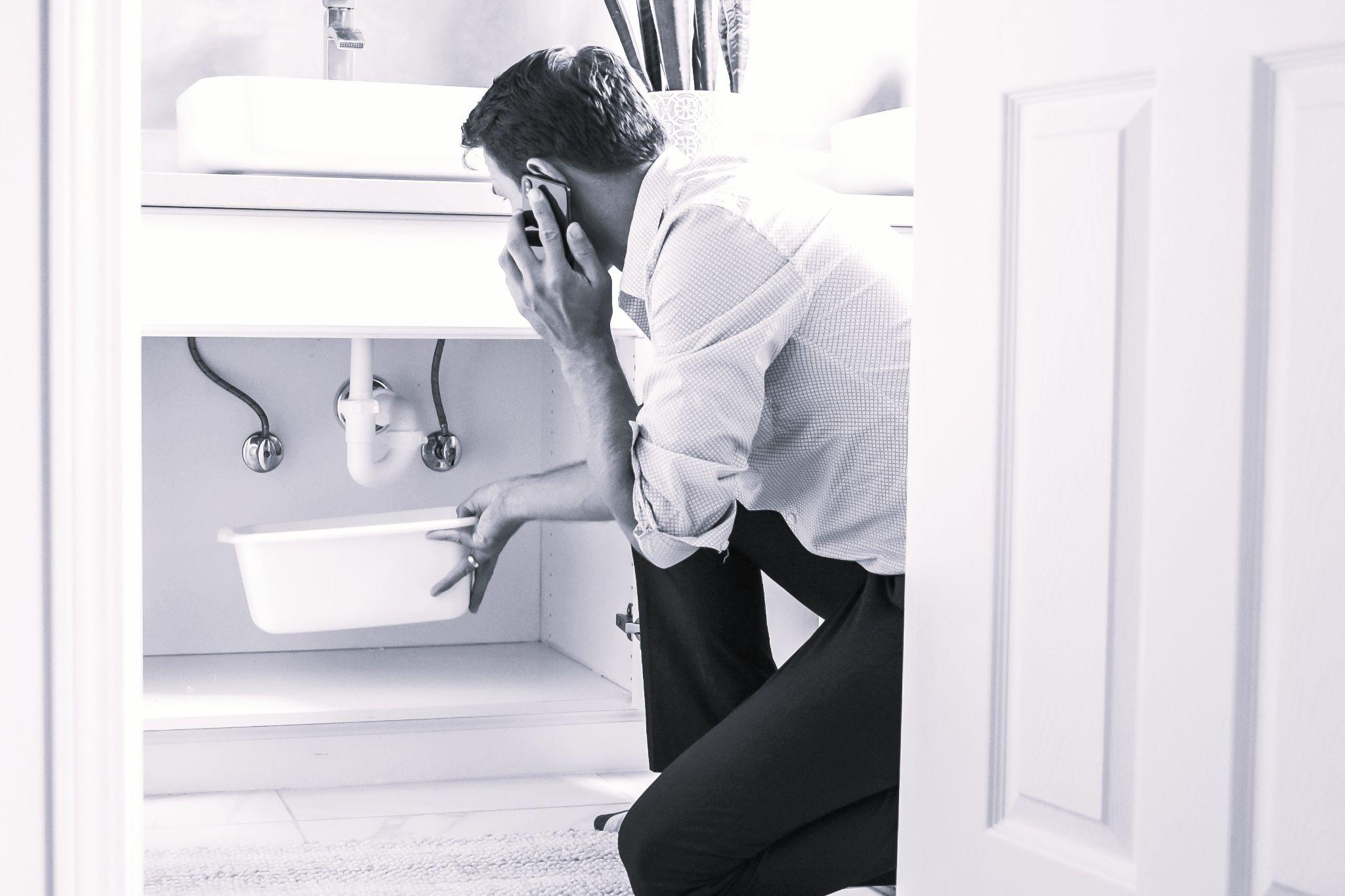
Being a landlord or property manager means more than collecting rent. Emergencies can happen at any time, and how you prepare for them directly affects tenant safety, your property’s value, and your reputation.
From plumbing disasters to HVAC failures, having a plan in place can save time, money, and stress. Reliable emergency property services and plans make that preparation easier. Here are the top five rental property emergencies every landlord should be ready for:
1. Plumbing Emergencies
Burst pipes, overflowing toilets, and sewage backups are among the most common emergency rental property issues. They can cause water damage, disrupt tenants’ lives, and even create health hazards.
Quick action is essential. Water damage claims are one of the most frequent insurance issues reported by property owners. The faster water is shut off and emergency repair rental property work begins, the less risk of mold, structural damage, and costly restoration. Keep the contact information for a reliable plumber on hand, and educate tenants about where to find the main water shut-off valve.
2. Fire Safety Issues
Cooking remains the leading cause of residential fires, according to the U.S. Fire Administration. Even though fires are statistically rare, the impact can be devastating.
Every property should have clearly marked escape routes, working smoke detectors, and accessible fire extinguishers. Test alarms regularly and remind tenants to check their units as well. Encourage renters to carry insurance so they are financially protected in case of fire-related losses.
3. Power Outages
Power outages may seem like an inconvenience, but in extreme heat or cold, they can put tenants at serious risk. Refrigerated medications may spoil, heating and cooling systems may fail, and vulnerable residents could face dangerous conditions.
Landlords should act quickly by contacting the utility provider for updates, communicating with tenants, and sharing safety reminders such as minimizing refrigerator use. During extended outages, consider temporary solutions for residents who rely on critical medical devices.
4. Flooding and Storm Damage
Heavy rain, broken pipes, or storm surges can all lead to flooding. Beyond the immediate mess, water intrusion can weaken structures, damage electrical systems, and create long-term mold issues.
Fast response is key. Have a water removal service ready to call and stay updated with National Weather Service alerts during storm seasons. Proactive measures like sealing entry points and maintaining gutters can reduce risk before disaster strikes. In major incidents, landlords may also need emergency property restoration professionals to protect the building and prevent long-term damage.
5. HVAC Failures
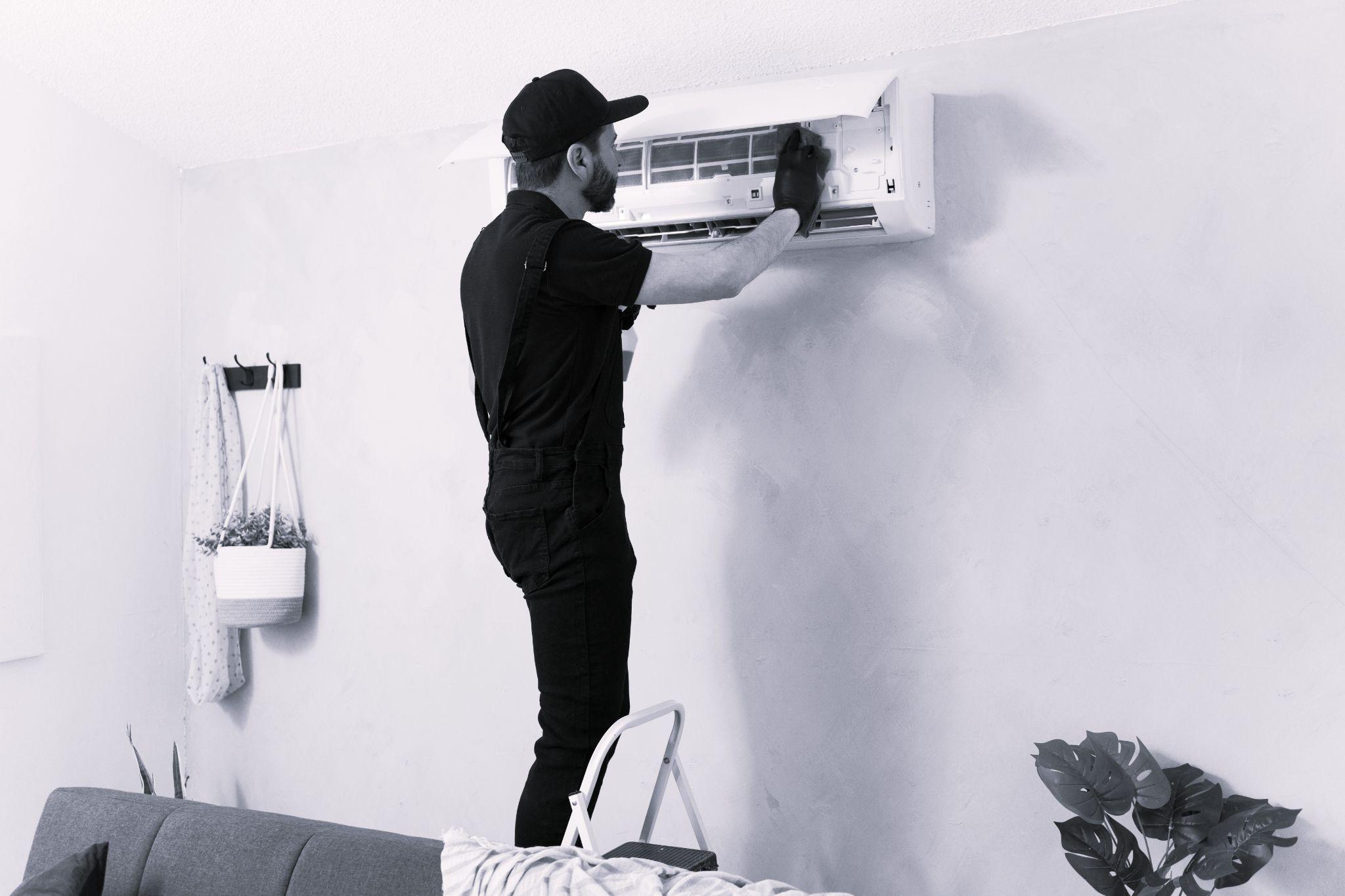
Heating and cooling systems are essential for tenant comfort and health. A failed HVAC unit in the middle of summer or winter can quickly become an emergency, particularly for elderly tenants or those with medical conditions.
Regular maintenance—such as seasonal inspections—helps prevent breakdowns. Still, landlords should keep a trusted HVAC contractor on call. Acting quickly not only restores comfort but also shows tenants that their wellbeing is a priority.
Building Trust Through Preparation
Emergencies can’t always be predicted, but preparation makes all the difference. By addressing these five common rental property emergencies with clear response plans and reliable contractors, landlords can protect their investments and give tenants peace of mind.
At Genuine Property Management, our Southern California property management team takes these responsibilities seriously. Our 24/7 maintenance support, fast communication, and preventative care keep your property safe and tenants happy. Contact us today to learn more.
References:
U.S. Fire Administration. Cooking Fire Safety.
Recent Posts
- Average Rent in Orange County’s Biggest Cities
- The Differences Between Routine and Emergency Maintenance
- Landlord Responsibilities vs. Property Manager Responsibilities: Who Handles What Day-to-Day?
- Landlord Red Flags Tenants Should Watch Out For
- What Is The Average Maintenance Cost for an Apartment Complex?
What Our Happy Clients Have to Say