
Should You Rent or Buy a House?
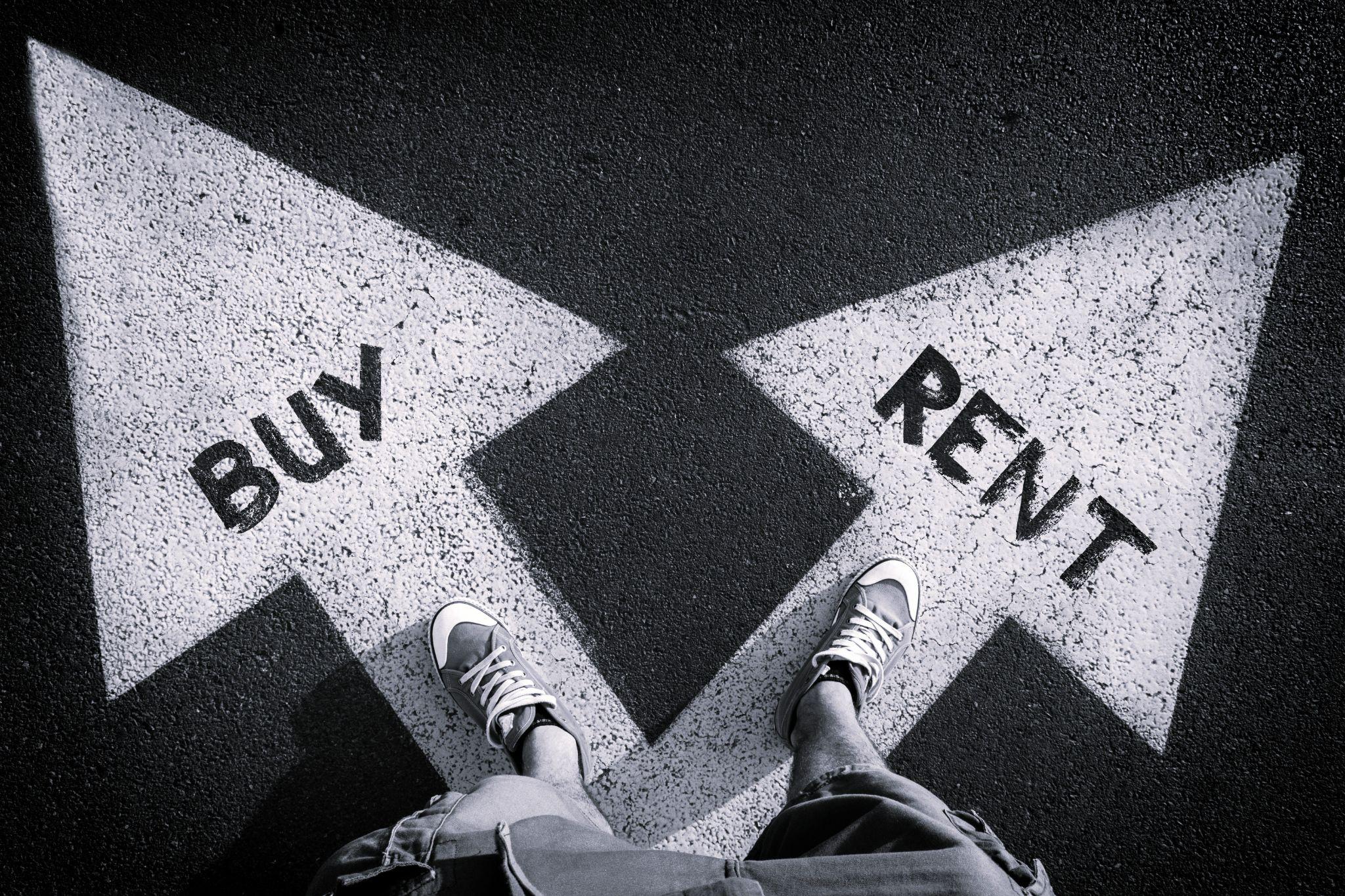
When it comes to the decision of renting vs buying, there’s a lot to consider—how you want to live, how much flexibility you need, and what responsibilities you’re ready to take on. Buying can offer stability and control. Renting can allow for mobility and lower upfront costs.
So is it better to rent or buy? The right choice depends on your timeline, budget, and comfort with long-term commitments. Let’s explore the two options in more depth below.
Pros and Cons of Renting
Renting can make sense for many reasons, including short-term plans, lifestyle changes, or the need to keep finances flexible. Here are the common advantages and disadvantages of renting:
Pros
Lower barrier to entry: In high-cost regions like Southern California, renting gives you access to desirable neighborhoods without needing a large down payment or extensive closing costs.
Liquidity and flexibility: Renters can keep capital accessible for other needs—emergencies, travel, education, or investments. That flexibility can matter more than owning property, especially during transitional life stages.
Relocation freedom: It’s easier to move for a job, to be near family, or to explore new locations when you’re not tied to a mortgage. Lease terms offer more exit points than a home sale.
Predictable costs: Landlords typically cover major repairs, insurance, and property taxes. That helps renters avoid unexpected expenses—especially in areas where climate-related insurance premiums are rising.
Cons
No long-term control: Renters are subject to landlord decisions. Your lease might not be renewed, the property could be sold, or rent could increase at the end of your term.
Limited customization: Renting usually means following rules about decor, landscaping, and upgrades. You may not be able to personalize your space or make changes that reduce monthly utility costs.
Housing uncertainty: Rent prices can fluctuate from year to year, and competitive markets may limit your choices if you’re forced to move unexpectedly.

Pros and Cons of Buying
Buying a home brings greater control and stability, but also long-term responsibility and financial commitment. These pros and cons can help clarify whether ownership fits your current and future plans:
Pros
Stability and control: Homeowners can make decisions about their space without needing permission—whether that’s painting a room, installing solar panels, or landscaping. Ownership can support long-term plans and continuity.
Fixed housing costs: With a fixed-rate mortgage, your principal and interest stay the same for the life of the loan. This predictability can offer peace of mind, even as rents increase over time.
Potential tax benefits: Homeowners who itemize deductions may be able to deduct mortgage interest and property taxes, subject to IRS limits.
Sense of permanence: Owning can give you a stronger connection to your neighborhood and help you feel more settled. It may align better with long-term goals like raising a family or putting down roots.
Cons
High upfront costs: Buying typically requires a significant amount of cash for the down payment, closing costs, and inspections. That can tie up a large portion of your savings.
Ongoing responsibilities: Homeowners must manage repairs, maintenance, insurance, and property taxes. These costs can vary year to year and increase as the home ages or regulations shift.
Less flexibility: Selling a home takes time, paperwork, and money. If you need to relocate quickly or change plans within a few years, ownership may be more limiting.
Market risk: If property values decline or your neighborhood changes, it can affect your resale options or delay your plans to move.
Key Questions to Ask Yourself
If you’re unsure whether to buy or rent, start by evaluating your current situation and priorities. These questions can help clarify which option better supports your goals, finances, and lifestyle.
How long do you plan to stay in one place?
If you’re planning to move within 3–5 years, renting often makes more financial and logistical sense. Ownership tends to pay off more the longer you stay.
Are you prepared for the responsibilities of ownership?
From roof repairs to rising insurance premiums, owning a home involves more than a mortgage payment. Be honest about how much responsibility you’re ready to take on—or whether a managed rental might be a better fit.
Do you prioritize flexibility or long-term stability?
Renting supports mobility and preserves cash. Buying creates a foundation for long-term plans but comes with added responsibility and less freedom to relocate quickly.
What works best for your current financial situation?
If tying up a large portion of your savings in a home doesn’t leave room for emergencies or future expenses, it might make sense to rent while you build more reserves.
Why Southern California Renters Choose Genuine Property Management
If renting suits your lifestyle right now, choose a property management company that delivers more than just a roof. Genuine Property Management provides responsive support, prompt maintenance, secure online rent payments, and transparent policies. Every home is clean, well-maintained, and professionally managed.
Browse our Orange County rental listings and find a place to call home.