
Preventing Pests in Rental Properties: A Landlord’s Guide
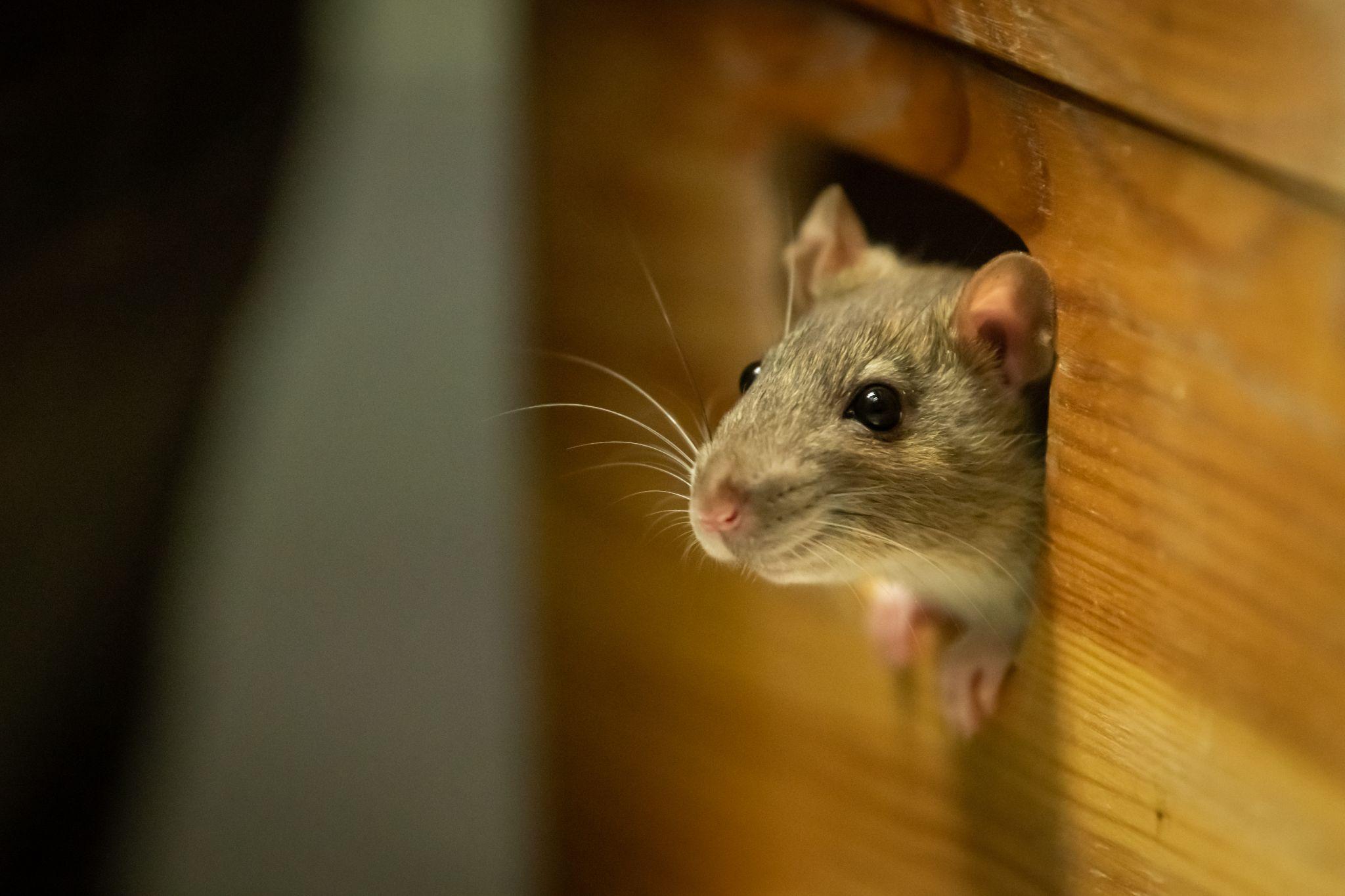
Pests are one of the most common challenges landlords face, especially in residential rentals with regular tenant turnover. Small oversights can quickly turn into larger problems that affect the condition of the property and the tenant experience. A consistent prevention approach helps landlords stay ahead of issues before they escalate into costly repairs or ongoing complaints.
Why Pest Prevention Matters for Landlords
Pest prevention is an ongoing responsibility for landlords that affects how a rental property functions over time. Consider this:
Protecting the Condition of the Property
Rodents, insects, and other pests can damage wiring, insulation, drywall, and flooring. Left unaddressed, even minor pest activity can shorten the lifespan of building materials and lead to avoidable maintenance expenses. Prevention helps protect long-term property value by addressing risks early instead of reacting after damage occurs.
Supporting a Positive Tenant Experience
Tenants expect a clean and livable home. When pests appear, confidence in property management can decline quickly. Addressing risks early and responding consistently to concerns helps tenants feel supported and more likely to renew their lease. Clear prevention efforts also reduce repeated complaints related to the same issue.
Avoiding Legal and Habitability Issues
A pest problem in a rental property can raise habitability concerns if it interferes with safe and sanitary living conditions. While requirements vary by state and local jurisdiction, landlords benefit from taking proactive steps that reduce exposure to recurring pest complaints and disputes.
Common Pests Found in Rental Properties
Rental properties tend to attract a predictable set of pests that landlords should be prepared to recognize, including:
Rodents
Mice and rats are common in both single-family rentals and multi-unit buildings. They often enter through small gaps around foundations, garages, or utility lines. Once inside, they can damage insulation and wiring while contaminating storage areas and kitchens.
Cockroaches
Cockroaches thrive in areas with moisture and food access. Kitchens, bathrooms, and shared walls in multi-unit housing are frequent trouble spots. A pest issue in a rental property involving cockroaches can be difficult to contain without consistent prevention measures.
Ants
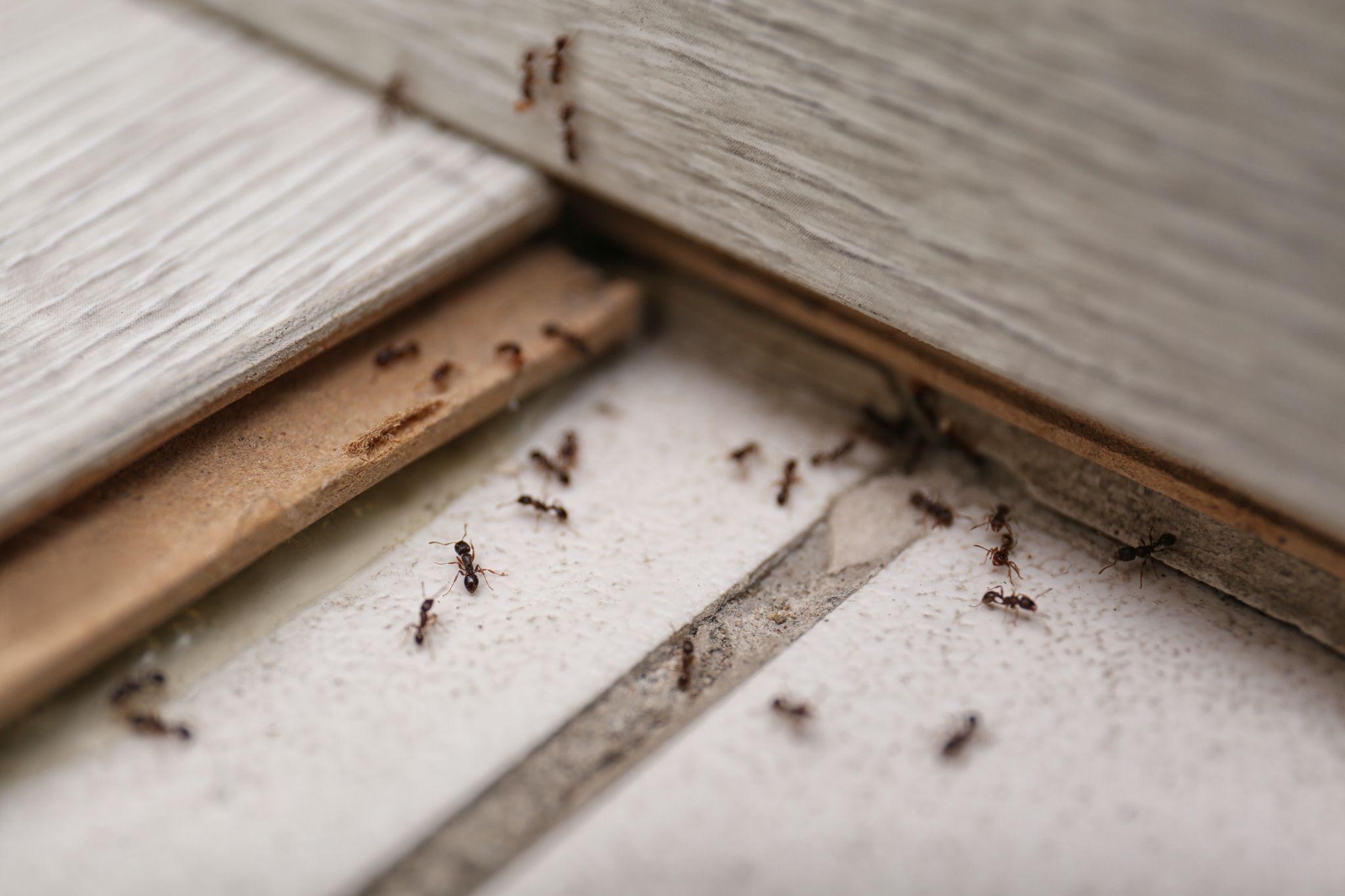
Ants usually enter properties in search of food or water. Even small crumbs or leaks can attract large colonies. While ants may seem minor at first, repeated activity often signals an underlying access or sanitation issue.
Bed Bugs
Bed bugs are most commonly introduced through furniture, luggage, or shared living spaces. They spread easily between units and are challenging to resolve once established. Early detection during tenant turnover plays a major role in prevention.
Proven Pest Prevention Strategies
Below are six strategies landlords can use to support consistent pest prevention across their rental properties:
1. Seal Entry Points
Pest prevention starts with limiting access. Gaps around doors, windows, vents, and utility penetrations are common entry points. Regularly checking these areas and sealing openings helps prevent pests from entering the structure in the first place.
2. Maintain a Clean and Dry Environment
Moisture and food sources attract pests quickly. Addressing plumbing leaks, drainage issues, and ventilation problems reduces conditions that allow pests to survive indoors. Clean common areas and vacant units are easier to monitor for early warning signs.
3. Strengthen Waste Management Habits
Trash storage and disposal play a major role in pest activity. Overflowing bins, loose bags, or discarded furniture can attract rodents and insects. Clear waste guidelines and regular inspections help reduce the risk of attracting pests to the property.
4. Schedule Routine Inspections
Consistent inspections allow landlords to spot small concerns before they escalate. Inspections during tenant turnover are especially valuable, as they provide a chance to identify activity that may have gone unreported. Tracking trends across inspections also helps prevent a pest problem in a rental property from spreading between units.
5. Partner With a Pest Control Professional
Working with licensed pest control professionals provides access to monitoring, treatment, and preventive recommendations. Ongoing service agreements often focus on exclusion and monitoring rather than reactive treatments alone, which supports long-term prevention.
6. Set Expectations for Tenants
Clear communication helps prevent a pest infestation. Tenants should understand basic responsibilities such as proper food storage, trash disposal, and reporting concerns promptly. Written guidelines at move-in reduce confusion and support faster responses when issues arise.
Staying Focused on What Matters
Keeping a rental property in good condition takes ongoing attention, from inspections to maintenance coordination. Staying organized helps landlords address issues early and maintain consistency across their properties, which supports smoother operations and fewer surprises.
Working with Genuine Property Management gives owners support systems that help them stay on top of property care. Our services include coordinated maintenance, routine inspections, and detailed reporting that helps owners keep rentals in top shape while focusing on what matters most.
Owners looking for experienced Southern California property management can benefit from tools and processes designed to simplify day-to-day oversight and support long-term property performance.