
Is Your Southern California Rental Property Earthquake Ready?
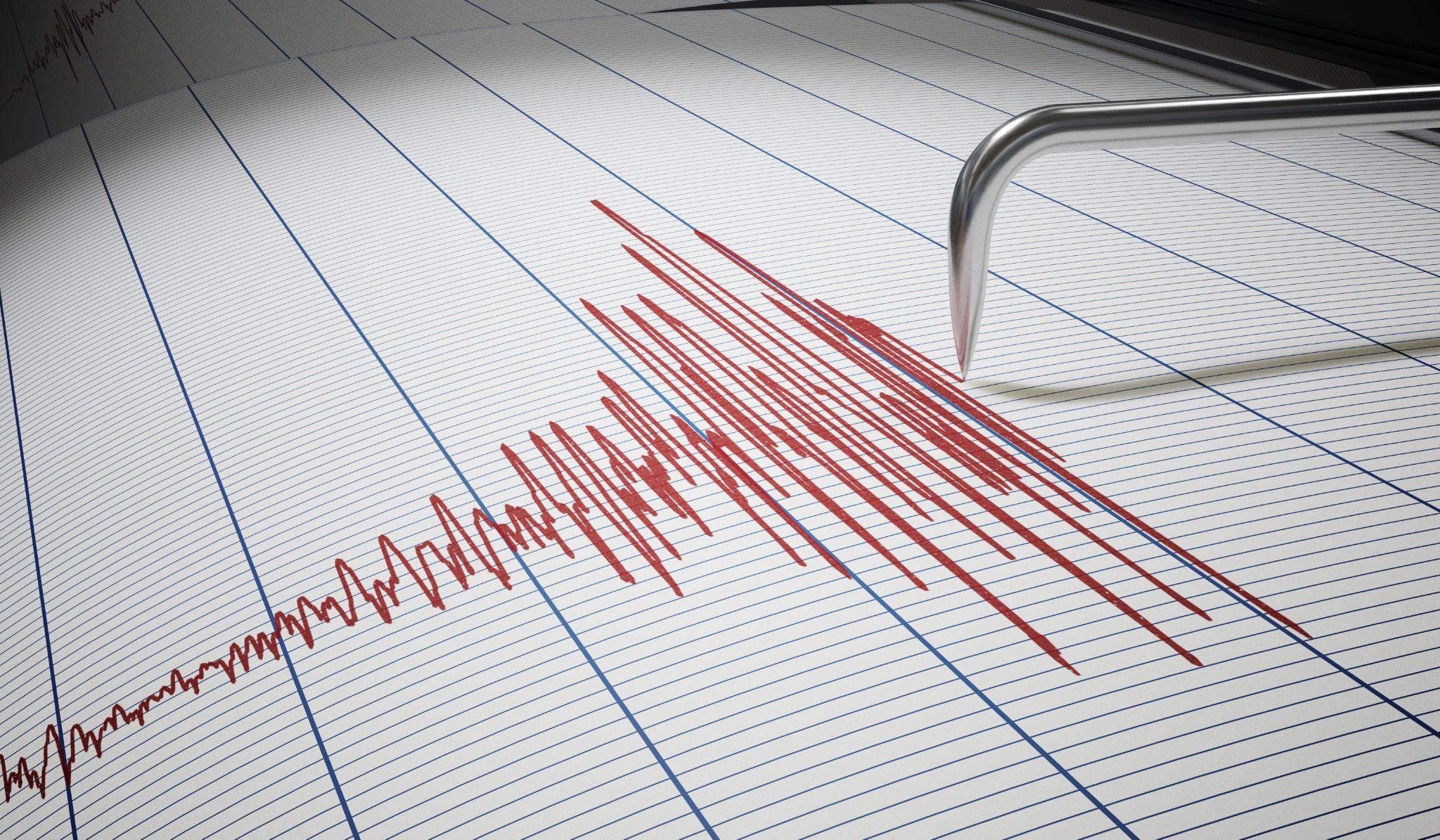
Earthquakes are part of life in Southern California. Rental owners are responsible for ensuring the safety of tenants, which depends on sound planning, strong structures, and clear communication. Preparing for an earthquake helps reduce the risk of injuries and improve the stability of the property.
Earthquake Vulnerabilities in Rental Properties
Older buildings face the greatest hazards. Many were built before modern seismic standards and are less resistant to earthquake damage. Even newer properties can have unanchored fixtures, heavy exterior elements, or poorly supported outdoor features that shift during strong shaking.
Owners who understand these weaknesses can take meaningful steps that improve safety and can minimize earthquake property damage.
Essential Steps to Improve Earthquake Safety
Ensure the Building Structure Is Secure
A structural evaluation is one of the most effective starting points. Licensed engineers can identify problems such as:
- Soft-Story Construction: Structural bracing can make the structure less prone to collapse.
- Unreinforced Masonry: Steel reinforcements, bolts, and shear walls can prevent exterior elements from failing.
- Outdated Foundations: Foundation bolting and other seismic retrofits can protect a structure during an earthquake.
These upgrades strengthen the structure and help it move as one connected system during a quake. Even small improvements can improve stability.
If the building includes carports or ground-level spaces that support upper floors, pay close attention to their framing. These areas may require additional bracing. Building owners should also confirm that utility lines have flexible connections that help in preventing damage from earthquakes.
Make Interior Areas Safer for Tenants
Inside the units, unsecured furniture and heavy objects can cause injuries. You can make indoor spaces safer for occupants in the following ways:
- Encourage tenants to anchor tall furniture, dressers, and wall-mounted televisions.
- Provide guidance on safe placement of large items or install approved hardware during turnover.
- Add cabinet latches to keep items from falling during strong shaking.
- Confirm water heaters are properly strapped and check straps during routine visits.
- Inspect lightweight ceiling fixtures and overhead lights to ensure they remain firmly attached.Strengthen Outdoor and Shared Property Areas
It’s also important to prepare for an earthquake outdoors. Common areas often include planters, fences, and outdoor furniture that can shift during a quake. Secure anything that carries significant weight or sits near paths. Check that railings are secure and that stairways meet current code.
If the property has storage structures or mail areas, make sure their frames are stable and free from rotting wood or loose fasteners.
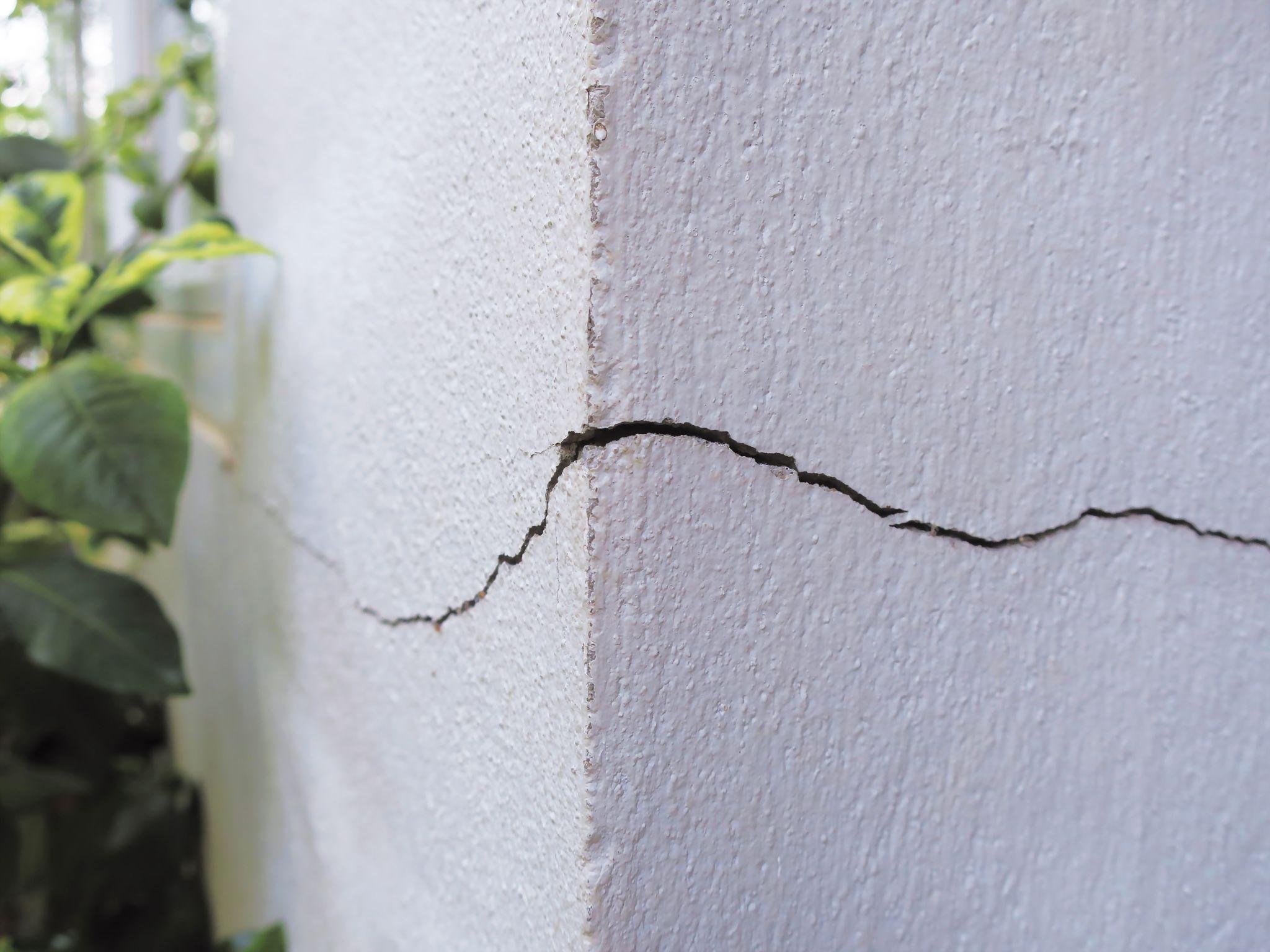
Retaining walls and slopes also require attention. Soil movement can increase under seismic stress, so document any cracks and repair them quickly. Well-maintained outdoor areas reduce hazards for residents during and after an event.
Safety Measures That Directly Support Your Tenants
Establish an Earthquake Preparedness Plan
To help tenants feel more confident, provide a simple plan that outlines safe interior spots, exit routes, and key contact information. Include guidance on how to shut off water and gas only when necessary. Post building maps in shared spaces that highlight emergency paths and meeting points.
Communication matters during disruption. Establish a clear process for updates so residents understand how repairs, inspections, and temporary access restrictions will work. A steady flow of information helps people stay calm during a stressful time. It also helps prepare for an earthquake more effectively.
Emergency Supplies for Multi-Unit Buildings
Some owners keep basic supplies in common areas. These often include flashlights, batteries, fire extinguishers, and first aid materials. Large buildings may also have storage for water and simple tools. These items help tenants address immediate needs during short-term outages. Owners should inspect supplies at regular intervals and replace expired or missing items before an earthquake occurs.
Emergency signage, door hardware, and lighting also deserve periodic review. Illuminated exit signs and dependable exterior lights support safer movement after dark if power fails.
Partner With Genuine Property Management
Preparing for an earthquake requires many steps, including structural evaluations, maintenance, and tenant coordination, yet owners often have limited time. Genuine Property Management (GPM) helps reduce the load by keeping everyday operations organized, so owners can focus on bigger concerns like seismic resilience. We also handle marketing, maintenance, and tenant communication.
To learn more about how our Southern California property managers can support your goals, call GPM at 949-209-9494. We’ll help build a safer future for your rental.