
Is It a Landlord’s Responsibility to Repair Appliances?
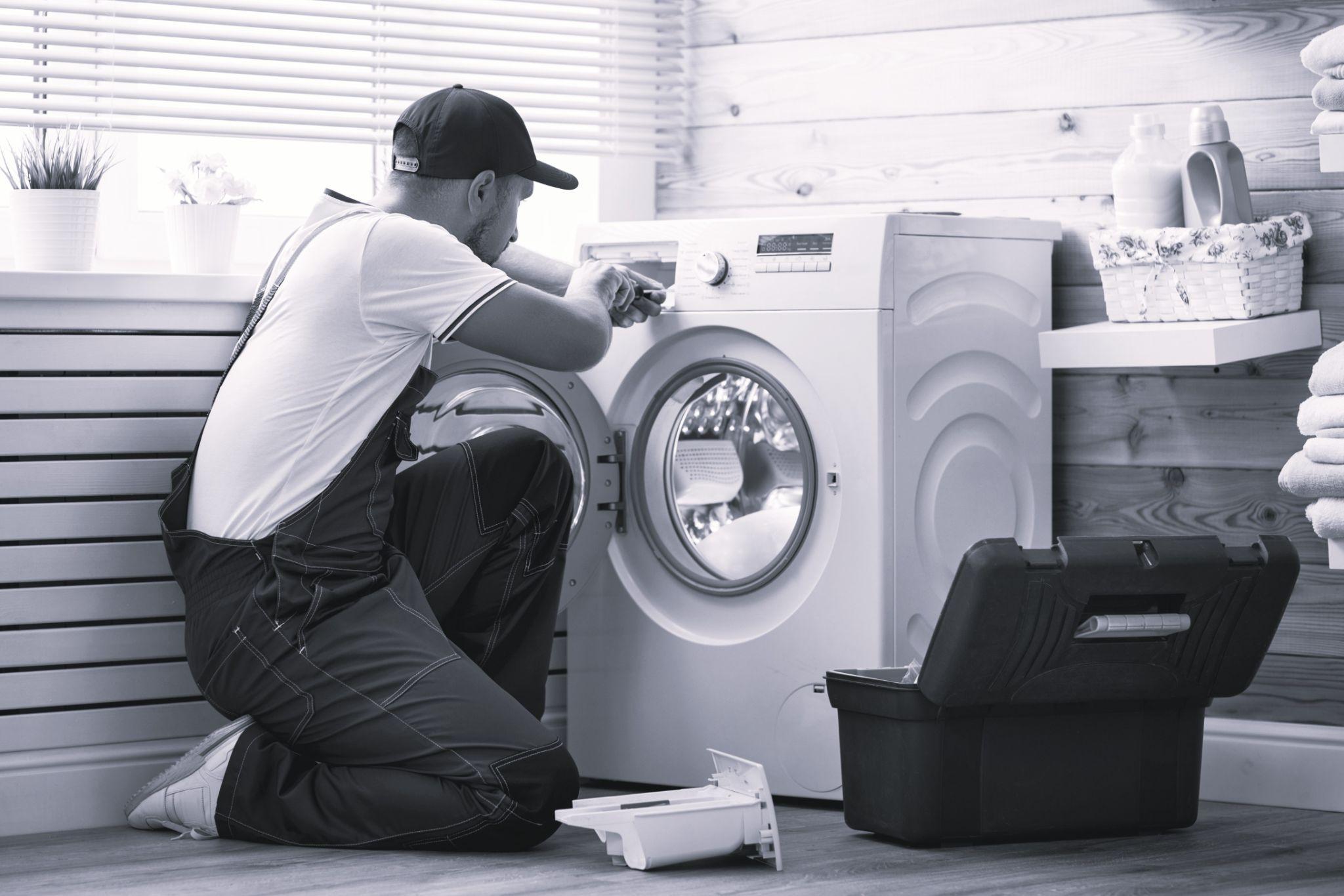
When you’re managing a rental property, appliances can be a major selling point—and a major headache. Tenants rely on them daily, and when something breaks, the question comes up quickly: Is it the landlord’s responsibility to handle repairs?
The answer isn’t always black and white. While some appliances are typically considered standard and others more optional, who’s responsible for fixing appliances depends on what’s in the lease, the expectations you’ve set, and what’s reasonable to maintain a livable home.
Below, we’ll walk through what landlords need to consider to handle appliance repairs the smart way—without getting caught in gray areas or disputes.
Key Takeaways
- A landlord’s responsibility for apartment or rental house appliance repair depends on what’s provided with the rental and what’s written in the lease.
- Landlords should clearly list all included appliances in the lease and define who is responsible for repairs and maintenance.
- When deciding whether to repair or replace a broken appliance, landlords should use common sense and business judgment.
- Landlords who handle appliance repairs promptly, professionally, and with clear communication can improve tenant satisfaction and protect long-term property value.
Appliances Usually Provided by Landlords
While not legally required in all jurisdictions, many to make their property more attractive and competitive.
Standard appliances often include a refrigerator, oven/stove, and sometimes a dishwasher or built-in microwave. In-unit washers and dryers are also popular additions, especially in higher-end or multi-family properties.
Air conditioning units, garbage disposals, and other upgrades may or may not be provided, depending on the rental market.
Regardless of what’s included, it’s essential that the lease clearly outlines which appliances are provided and which ones, if any, are considered the tenant’s responsibility. This avoids confusion and sets expectations from day one.
Outline Repair Responsibilities in a Lease
The lease is the foundation of any tenant-landlord relationship—and it’s the first place to look when deciding who is responsible for apartment or rental house appliance repair. If the lease states that certain appliances for a rental property are included with the rental, it’s a best practice to also outline who handles maintenance, what happens if something breaks, and whether the landlord will repair or replace the item.
It’s also helpful to note whether the broken appliance is considered essential or optional, which may influence how urgent a repair is. Including clear language helps minimize disputes and protects both parties if a disagreement arises.
Factors to Consider When Deciding Who Handles Repairs
Even if the lease spells out general responsibilities, there may still be decisions to make when you have a broken appliance on your hands. A few key questions landlords should ask themselves include:
- Was the appliance included as part of the lease or marketing materials?
- Is the appliance old and near the end of its lifespan?
- Does the issue affect the tenant’s ability to live comfortably or safely?
- Would a repair or replacement provide long-term value for the property?
- Is it a relatively low-cost fix that can preserve tenant satisfaction?
Weighing these factors can help landlords make consistent, business-minded decisions that benefit both tenant retention and property value.
Best Practices for Handling Appliance Repairs
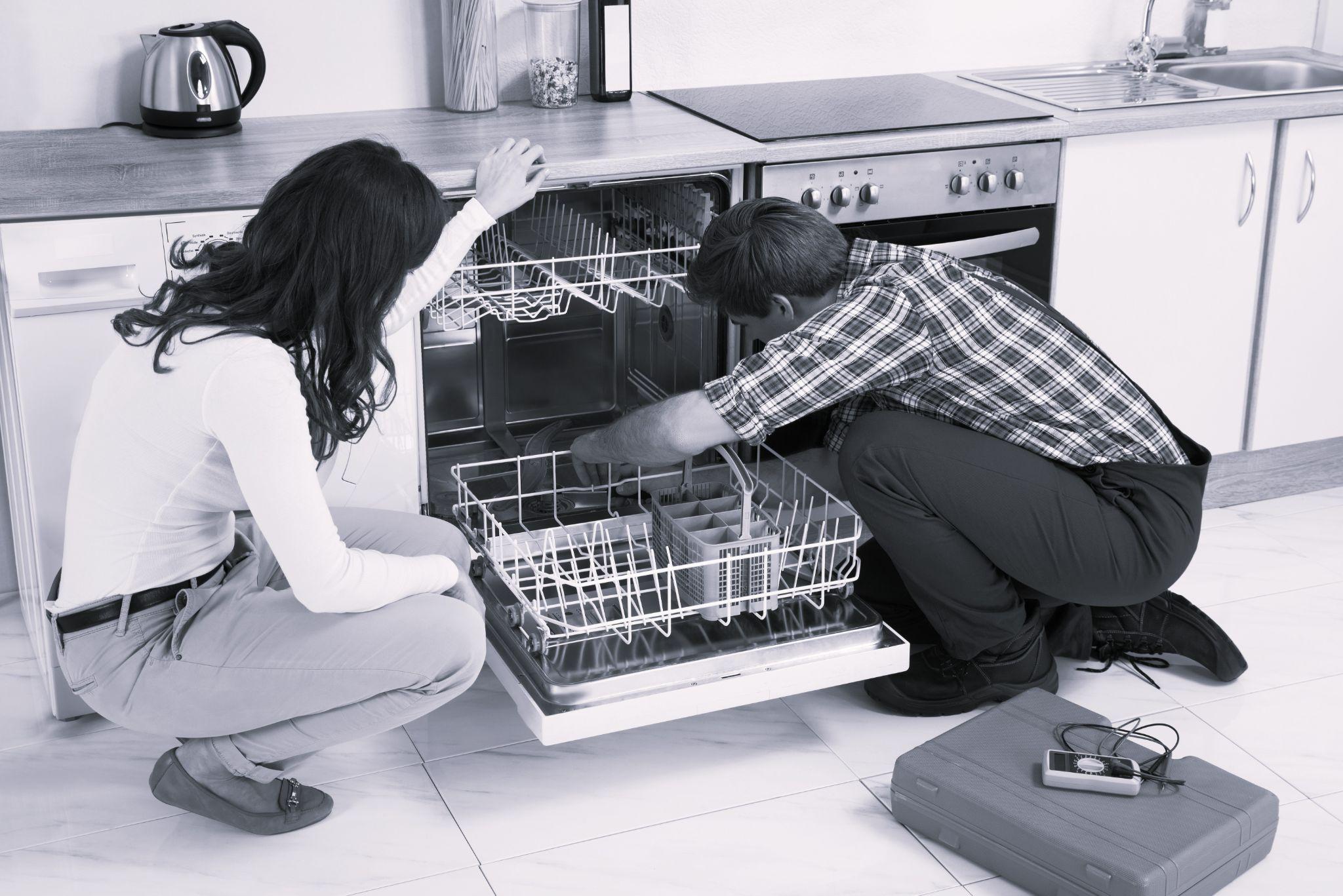
Once you’ve decided to take responsibility for appliance repairs, the way you handle them can impact tenant satisfaction, future maintenance costs, and overall property value. A proactive and professional approach makes all the difference. Here are some best practices to follow:
- Respond Quickly: Acknowledge tenant repair requests promptly—even if it’s just to confirm you’ve received the message and are scheduling an inspection.
- Communicate Clearly: Let your tenant know what to expect. Whether you’re calling in a technician, ordering parts, or planning to replace the appliance for a rental property, keeping them informed builds trust.
- Use Qualified Professionals: Hire licensed and reliable repair vendors to ensure the job is done correctly and safely. Avoid DIY fixes that could lead to bigger issues later.
- Keep Records: Maintain documentation of all appliance repairs, including dates, costs, and vendor details. These records can be helpful for tracking performance, managing warranties, and preparing for future turnovers.
- Plan Ahead: Keep track of the age and condition of all appliances in your rental. This allows you to anticipate replacements and budget accordingly, reducing the risk of emergency repairs.
Frequently Asked Questions
Are landlords responsible for appliances?
Landlords are typically responsible for appliances that are provided with the rental and listed in the lease. Responsibility should always be clearly defined in the lease agreement.
Does a landlord have to replace broken appliances?
If an included appliance breaks and the lease assigns responsibility to the landlord, then repair or replacement is usually expected. Whether to repair or replace often depends on the age, cost, and condition of the appliance.
What if a tenant brings their own appliance?
When tenants supply their own appliances, they are generally responsible for maintaining and repairing them. This should also be clarified in the lease to avoid confusion.
Get Expert Guidance From Genuine Property Management
Managing appliance repairs can be a gray area, but it doesn’t have to be. With the right lease terms, a proactive approach, and a clear understanding of your responsibilities, you can avoid costly mistakes and keep your tenants happy.
At Genuine Property Management, we help landlords navigate decisions like these every day—ensuring your rental runs smoothly while protecting your investment. Whether you’re drafting a new lease or dealing with a broken appliance for a rental property, our experienced Orange County property management team is here to guide you every step of the way.