
Tenant Move-Out Checklist and Inspection Guide for Landlords

Tenant turnover is a routine part of property management, but ensuring a smooth transition between tenants requires a structured process.
A tenant move-out checklist helps landlords verify that tenants have left the rental in good condition, document any damages, and determine whether deductions from the security deposit are necessary. Without a clear system in place, landlords risk overlooking important maintenance tasks, leading to delays and unexpected costs.
This guide outlines the key reasons why a move-out checklist is essential, followed by a detailed inspection checklist that covers every part of the rental, from bedrooms and bathrooms to kitchens and outdoor areas. Finally, we’ll discuss what landlords should do if the property does not meet move-out standards, including steps to resolve issues and handle security deposit deductions properly.
By following this structured approach, landlords can efficiently manage tenant move-outs while keeping their rental properties in excellent condition.
Why a Move-Out Checklist Is Important
A rental or apartment move-out checklist is a valuable tool for landlords to systematically assess a rental property’s condition after a tenant moves out. Without a structured process, it’s easy to overlook damages or necessary maintenance tasks.
A detailed checklist ensures a thorough inspection, covering everything from walls and floors to appliances and fixtures, so nothing is missed.
It also helps minimize disputes over security deposits by providing clear documentation of the property’s condition, allowing landlords to fairly determine any deductions for repairs.
Additionally, a checklist speeds up the turnover process by quickly identifying areas that need attention, reducing vacancy time and ensuring the unit is move-in ready.
Regular inspections using a move-out checklist helps to protect your investment by catching small issues before they become costly repairs.
By implementing this process, landlords can maintain their rental properties more efficiently and provide a seamless transition for new tenants.
Tenant Move-Out Inspection Checklist
A move-out checklist should cover every space in your rental property in detail to ensure you conduct a thorough inspection and ensure your rental is left in the same condition as the day tenants moved in.
Bedrooms
- All nails and hooks should have been removed from the walls, with any holes neatly filled and repainted.
- Floors, walls, and carpets should be thoroughly cleaned, and all closets should be emptied of personal belongings.
- Any scratch marks on the floors or walls caused by furniture, such as chairs, beds, or tables, should have been buffed out or repaired.
Bathrooms
- Mirrors should be clean and free of marks, smudges, or scratches.
- The entire bathroom should be cleaned and free of dirt, grime, or signs of disrepair.
- All drains should be functioning properly and free of clogs.
- Any broken or cracked tiles should have been repaired.
- Soap scum, limestone buildup, and other residue on metal fixtures, such as taps and showerheads, should have been removed.
Living and Dining Area
- All lights and fixtures should be intact and free of any damage.
- If the rental property is furnished, all furniture should be in good condition, with no damage beyond normal wear and tear. This includes no rips or tears in couches, no deep scratches on tables, and no stained upholstery.
Walls and Floors
- The kitchen floor, including the area underneath the fridge and other standing appliances, should be thoroughly cleaned.
- Walls should be clean, with all hooks and nails removed. Any holes should have been properly filled and repainted.
- If tenants repainted the walls and the lease agreement requires the original color to be restored, the walls should have been repainted accordingly.
- Floors should be clean and free of scuff marks, and carpets should be stain-free and well-maintained.
Kitchen
- All fixtures and appliances, including the stove, should be thoroughly cleaned, degreased, and sanitized, with any buildup from regular cooking removed.
- The inside of the oven, including drip trays and racks, should be cleaned.
- If the property includes a fridge or freezer, both should have been defrosted and cleaned inside and out.
- Kitchen cupboards should be wiped down and cleaned both inside and outside.
- The microwave should be cleaned inside and outside, and the counter or stand underneath should also be wiped down.
- If the rental property has a dishwasher, it should be properly cleaned and sanitized.
Hardware, Doors, and Lighting Fixtures
- Ceiling fans and air vents in every room should be dusted and wiped down.
- Light switch plates and doorknobs should be cleaned with disinfectant.
- Any burnt-out lightbulbs should have been replaced.
- All locks should be fully functional.
Miscellaneous
- All appliances in the property, including the TV, fridge, and dishwasher, should be in proper working condition.
- If the property has a garage, it should be cleaned and emptied of all belongings.
- Patios, balconies, and porches should be thoroughly swept to remove dirt and dust.
- Window sills should be wiped clean and dusted.
- All trash should be properly disposed of before vacating the property.
What to Do If the Rental Unit Fails Inspection
If a tenant fails your move-out checklist and leaves the rental in poor condition, take the following steps to address the issues before the next tenant moves in: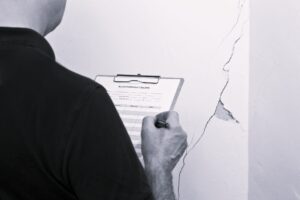
- Compare with the Move-In Report
Review the move-in condition report and photos to determine if damages go beyond normal wear and tear.
- Notify the Tenant
Provide the tenant with a written notice detailing unfulfilled move-out requirements, including photos and a breakdown of potential charges. Some landlords may offer tenants a short timeframe to resolve issues before deductions are finalized.
- Deduct From the Security Deposit
If cleaning or repairs are needed, deduct reasonable costs from the security deposit. Common deductions include:
- Cleaning fees for uncleaned areas
- Repair costs for damages beyond normal use
- Replacement fees for missing or broken fixtures
Ensure all deductions comply with lease terms and local regulations, and provide an itemized statement.
- Schedule Cleaning and Repairs
If the tenant has vacated, arrange for professional cleaning or repairs promptly to minimize downtime before the next tenant moves in. Keep receipts and records of all expenses.
- Follow Local Laws
Check state and local laws regarding security deposit deductions and timelines for returning deposits to avoid legal disputes.
Frequently Asked Questions
What is a tenant responsible for when moving out in California?
Tenants must return the unit in its original condition, excluding normal wear and tear. This includes removing personal items, cleaning thoroughly, repairing tenant-caused damage, and following lease move-out procedures.1 Check California state laws and local regulations for specific tenant responsibilities in your area.
How long does a landlord have to return a security deposit after move-out?
California law requires landlords to return the security deposit within 21 days, along with an itemized list of any deductions if applicable.1 Be sure to check local laws, as some cities may have additional regulations.
What should a landlord document during a move-out inspection?
Landlords should take photos and notes on the unit’s condition, compare it to the move-in report, and check for cleanliness, damage, and missing items. This documentation helps justify security deposit deductions if needed.
Simplify Move-Outs with Genuine Property Management
Managing rental properties can be time-consuming, especially when handling move-outs, inspections, and security deposits. A reliable property management team can take the stress off your shoulders while ensuring your property stays in top condition.
At Genuine Property Management, our experienced team handles everything from tenant screenings to detailed move-in and move-out inspections, helping you protect your investment and streamline the rental process.
For expert property management in Orange County and the surrounding area, contact Genuine Property Management today!
Source:
- California Courts Self-Help Guide. Guide to security deposits in California.