Reasons Why Your Rental Property Is Vacant
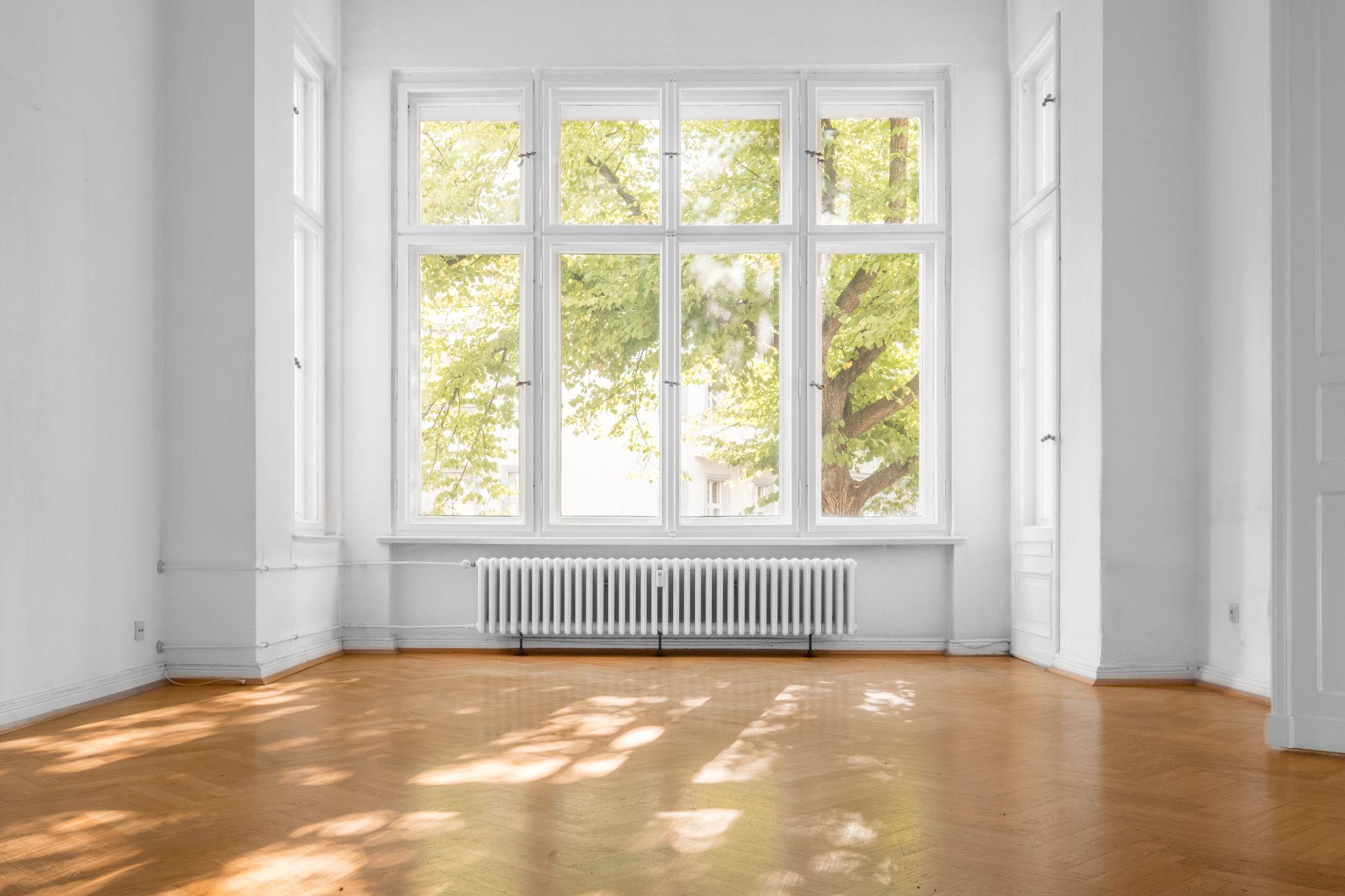
A vacant rental property places financial pressure on owners and creates unnecessary stress. Every day without a resident means lost income and more time spent trying to generate interest.
Several issues can cause an empty rental property to sit on the market longer than expected. But when owners understand the most common factors, they can make focused adjustments that improve visibility and attract qualified applicants.
1. Overpriced Rent
Price influences activity more than any other factor. Renters compare listings side by side, and they can identify mismatched pricing instantly. When the rate sits above comparable homes in the same neighborhood, inquiries slow down. Even a small difference can make a listing feel out of step with real demand.
Seasonal changes also affect how quickly units fill. A careful look at nearby homes, recent lease data, and current patterns helps owners set a number that encourages tours and reduces property vacancies. A fair and competitive price establishes the foundation for stable interest.
2. Poor Marketing and Online Visibility
Renters depend on online platforms when choosing properties. If the listing lacks clear photos or uses images that feel dark or cluttered, most prospects move on before reading the description.
Strong marketing requires bright images that show the full layout, clean rooms, and updated finishes. Accurate and engaging descriptions matter as well. They help renters understand the space and give them confidence that the property matches their expectations.
Consistent updates keep the listing active on the major platforms and support stronger engagement. Without this attention, a vacant rental can fade into low-traffic search spots that cut down on valuable leads.
3. Outdated or Unappealing Property
Renters make quick judgments based on condition. Worn paint, aging fixtures, old flooring, or lighting that feels dim can create hesitation. Even if the structure is sound, outdated finishes make the home appear poorly maintained.
Modern touches do not need to be expensive. Fresh paint, updated lighting, improved hardware, and basic cosmetic repairs can produce noticeable improvements. Cleanliness also shapes perception. A spotless property signals strong upkeep and encourages renters to imagine themselves living comfortably in the space. These elements help shorten downtime and make the unit feel ready for move-in.
4. Negative Reviews or Poor Reputation
Renters often check reviews before they schedule a showing. If they see repeated complaints about communication or repairs, they question the experience they might have after signing a lease. Reputation influences interest long before anyone reaches the property.
Responding to feedback and resolving concerns shows accountability. Clarifying policies and documenting improvements gives renters the information they need to feel secure about their decision. A positive public impression supports momentum and reduces the chance that a vacant rental property continues to sit with limited inquiries.
5. Lack of Amenities or Convenience
Amenities shape daily routines, and renters pay close attention to what a property offers. In-unit laundry, air conditioning, storage options, and parking access have a strong influence on decisions in Southern California. Homes that lack these features struggle to compete when nearby listings include them.
Location conveniences also matter. Access to transit, grocery stores, and other essentials helps a unit feel more practical.
When upgrades are possible, targeted improvements strengthen value and help an empty rental property feel more aligned with local expectations. Even small additions can create measurable improvements in activity.

6. Unresponsive or Difficult Management
Communication plays a major role in converting interest into completed applications. Renters move on quickly when messages go unanswered or instructions feel confusing. Poor communication during the inquiry or showing phase makes prospects question how repairs and support will be handled later.
Fast replies, clear scheduling, and organized instructions build trust. This consistency encourages applicants to complete the process without second-guessing their decision. Owners who create a smooth path from first inquiry to lease signing see faster turnaround times and fewer delays.
7. Limited Pet Policies
Strict pet restrictions reduce the applicant pool significantly. Many renters own pets, and they search intentionally for homes that welcome them. When a property bans pets entirely, interest drops.
Allowing pets with reasonable restrictions and deposits protects the home while offering needed flexibility. Responsible pet owners often seek long-term stability, which helps support stronger retention. Clear expectations around pet size, behavior, and fees create a balanced approach that attracts more qualified residents.
Partner With Genuine Property Management
Genuine Property Management supports owners who want consistent occupancy and smooth operations. A vacant rental has financial impact, and the right team can prevent extended downtime through accurate pricing, strong marketing, responsive communication, and structured systems that keep listings active.
Our approach focuses on clear processes and dependable service that help owners avoid recurring issues and maintain steady performance. If you want a partner who can reduce turnover, streamline management tasks, and keep your property positioned for long-term success, explore how our Southern California property management services deliver reliable results and ongoing support for every stage of the rental cycle.