
Dealing with Pests in Rental Properties: Everything Landlords Need to Know
Pest infestations are among the most frustrating issues in rental property management. They can cause property damage, pose health risks, and strain landlord-tenant relationships. As a property owner, you may have questions like “Are landlords responsible for pest control?” or “How do I deal with common pests?”
We’ll explain your responsibilities in dealing with pests on your property while ensuring compliance with local and state housing laws.
Common Pests Found in Rental Properties
Pests come in many shapes and sizes, and some are more common in certain climates or types of housing. Here are a few frequent offenders:
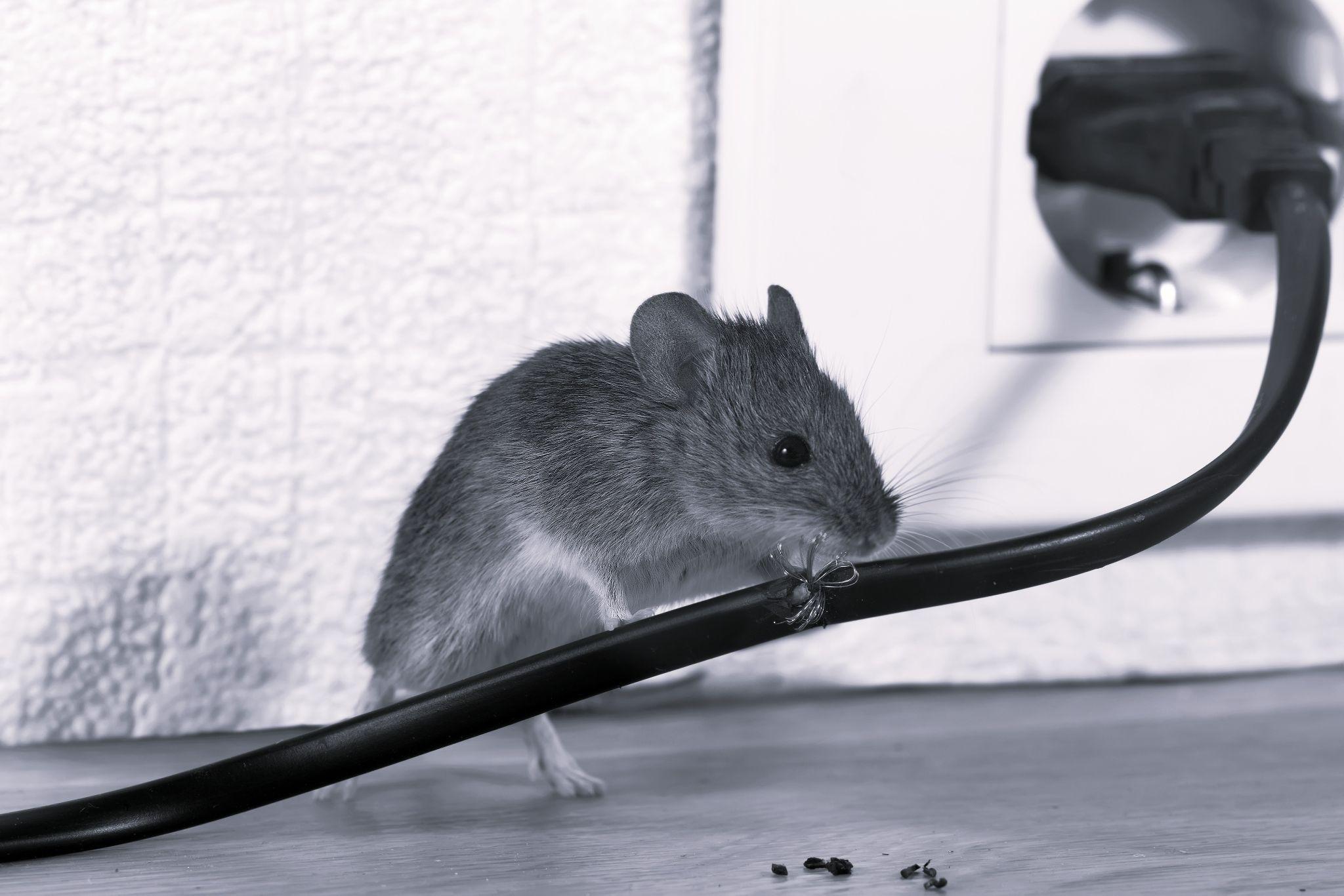
- Rodents (mice, rats): These pests can chew through wires, insulation, and even walls.
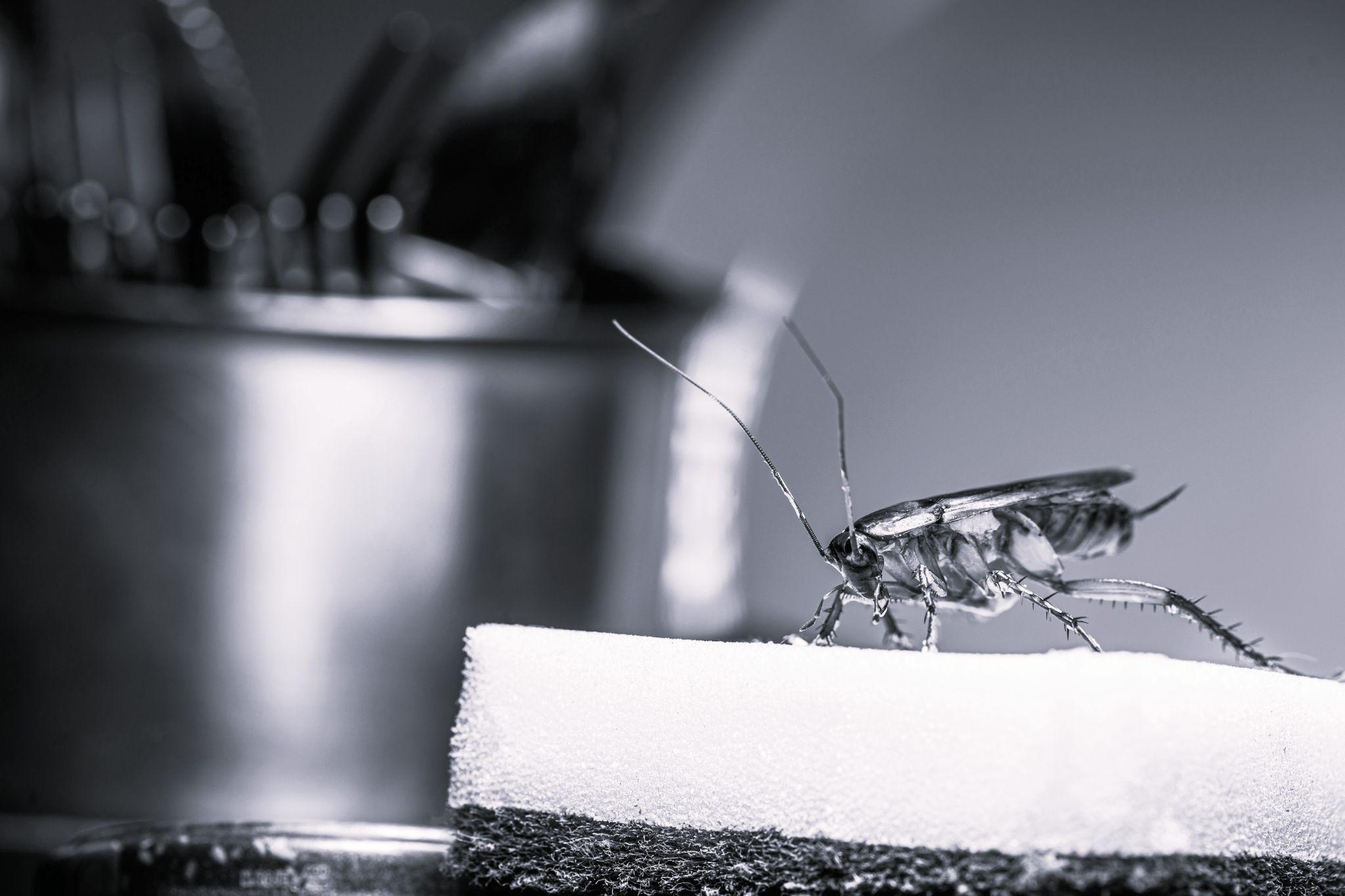
- Cockroaches: Often attracted to food and moisture, roaches are resilient and hard to eliminate.
- Bed bugs: These tiny, elusive insects can spread rapidly and are notoriously difficult to eradicate.
- Ants: While mostly a nuisance, some species can cause damage to wood or bite residents.
- Termites: Known for silently destroying wood structures, termites are a major concern for long-term property integrity.
- Fleas: Common in homes with pets, fleas can be difficult to fully remove without professional help.
Signs of a Pest Infestation
Early detection is crucial for minimizing damage and costs. Landlords should be aware of these common signs:
- Sightings: Tenant complaints about visible pests are often the first sign.
- Droppings or Urine Stains: Rodents and cockroaches often leave visible traces.
- Gnaw Marks: Wires, walls, and food packaging may show signs of chewing.
- Unusual Odors: Some pests leave behind a distinctive, musty smell.
- Nesting Materials: Shredded paper, fabric, or plant matter can indicate nesting activity.
- Insect Casings or Shed Skins: These may accumulate in corners or near walls.
Landlord Responsibilities
The landlord is responsible for pest control, among other aspects of maintaining habitable living conditions. Here’s what landlords are usually expected to do:
- Provide a clean and pest-free unit at move-in.
- Promptly address pest complaints, especially those affecting health and safety.
- Hire licensed pest control professionals for treatment when needed.
- Perform regular inspections and maintenance to identify conditions that attract pests (e.g., leaks, cracks, and holes).
- Maintain the building’s structural integrity, which includes sealing entry points and fixing plumbing/moisture problems.
California’s landlord pest control laws cover these rules. They also require routine pest control and the disclosure of prior infestations. Be sure to check your local housing codes.
Tenant Responsibilities
Tenants also play a key role in preventing and managing pest problems. Their responsibilities generally include:
- Keeping the rental unit clean, especially in the kitchen and bathroom.
- Properly storing food and disposing of garbage regularly.
- Promptly reporting signs of pests to the landlord.
- Avoiding behaviors that attract pests, such as leaving pet food out or overwatering plants.
- Complying with pest control efforts, including allowing access to exterminators and following treatment instructions.
If the infestation is found to be the result of the tenant’s behavior—whether by neglect or recklessness—some landlord pest control laws may assign treatment costs to the tenant.
How to Respond to a Pest Complaint
Proactive and responsive pest control helps build trust with tenants and protects your investment.
- Acknowledge the Complaint Quickly: Let the tenant know you’ve received their report and will take action.
- Investigate the Issue: Arrange an inspection of the unit to confirm the presence and type of pests.
- Determine the Source and Cause: Check surrounding units and building conditions to assess the scope of the problem.
- Hire a licensed Pest Control Service: Document the work being done and communicate the schedule to tenants.
- Follow Up: Ensure the problem is resolved and schedule any necessary follow-up treatments.
- Document Everything: Keep records of tenant complaints, inspections, treatments, and communication.
Preventative Measures for Landlords
Prevention is part of the landlord’s responsibility for pest control. It’s always more cost-effective than dealing with full-blown infestations. Consider the following strategies:
- Seal Entry Points: Caulk cracks, install door sweeps, and screen vents.
- Maintain Landscaping: Trim back vegetation that touches buildings and remove standing water.
- Fix Leaks and Moisture Issues: Damp environments are breeding grounds for many pests.
- Schedule Regular Pest Control Inspections: Prevention programs can catch issues early.
- Educate Tenants: Provide a move-in checklist or guidelines for keeping pests at bay.
- Provide Proper Garbage Disposal Systems: Ensure tenants have access to lidded bins and regular trash pickup.
Pests in rental properties are more than a nuisance—they can be a legal and financial liability if not handled properly. Check your state and local laws to further understand your responsibilities, and keep open lines of communication with tenants so issues are tackled quickly and effectively.
Contact Genuine Property Management
At Genuine Property Management, we understand the unique challenges landlords face in Southern California—from tenant relations to maintenance issues like pest infestations. With years of hands-on experience, our team can provide expert guidance on a wide range of matters. Let us help you stay ahead of the game and ensure your rental remains a desirable, well-maintained home for tenants.
For help from one of the most popular Southern California property management companies, call 949-209-9494 today!