How to Select the Right Industrial Rental Space for Your Business’s Needs

Selecting the right industrial space for rent is a crucial decision that affects your business’s operations, efficiency, and long-term growth.
Whether you need a warehouse, manufacturing facility, or distribution center, finding the right space requires careful planning. From location and infrastructure to budget and compliance, every factor plays a role in ensuring your business runs smoothly.
This guide outlines the essential steps to help you choose the best industrial rental space for your needs.
1. Determine Your Business’s Space Requirements
Before searching for an industrial space, it is essential to clearly define your business’s space requirements.
The first consideration is square footage, ensuring the space is large enough to accommodate current operations, storage needs, and potential future growth. The intended usage of the space also plays a significant role, whether it will be used for manufacturing, warehousing, distribution, or a combination of these functions.
Additionally, the layout of the space, including ceiling height and floor plan, must align with your operational needs, such as housing heavy machinery, shelving, or workstations.
Some businesses may also require specialized features, such as climate control, reinforced flooring, or advanced ventilation systems, to ensure efficiency and compliance with industry standards.
By identifying these needs before beginning your search, you can narrow down potential locations and find an industrial commercial space that supports your operations effectively.
2. Choose a Strategic Location for Logistics and Accessibility
The location of your industrial space affects transportation efficiency, employee convenience, and compliance with local regulations. Evaluate:
- Proximity to Suppliers and Customers: Choosing a space that is close to suppliers and customers can help reduce transportation costs and delivery times.
- Access to Highways, Ports, and Airports: Access to major highways, ports, and airports is important for businesses involved in distribution and shipping.
- Public Transit and Employee Commutes: Employee convenience should be considered by evaluating public transit availability and commute times.
- Zoning Laws and Restrictions: It is essential to verify that zoning laws and restrictions allow your specific business operations.
A well-placed industrial space supports operational efficiency and enhances long-term business success.
3. Assess Infrastructure, Utilities, and Essential Services
Your industrial rental space must have the right infrastructure to support your operations. Key factors to check include:
- Electrical Capacity: The facility must have adequate electrical capacity to support your equipment and operations.
- Water and Plumbing: Businesses with high water usage should confirm that the plumbing system meets their needs.
- HVAC and Ventilation: Climate control and proper ventilation may be necessary for businesses dealing with temperature-sensitive products.
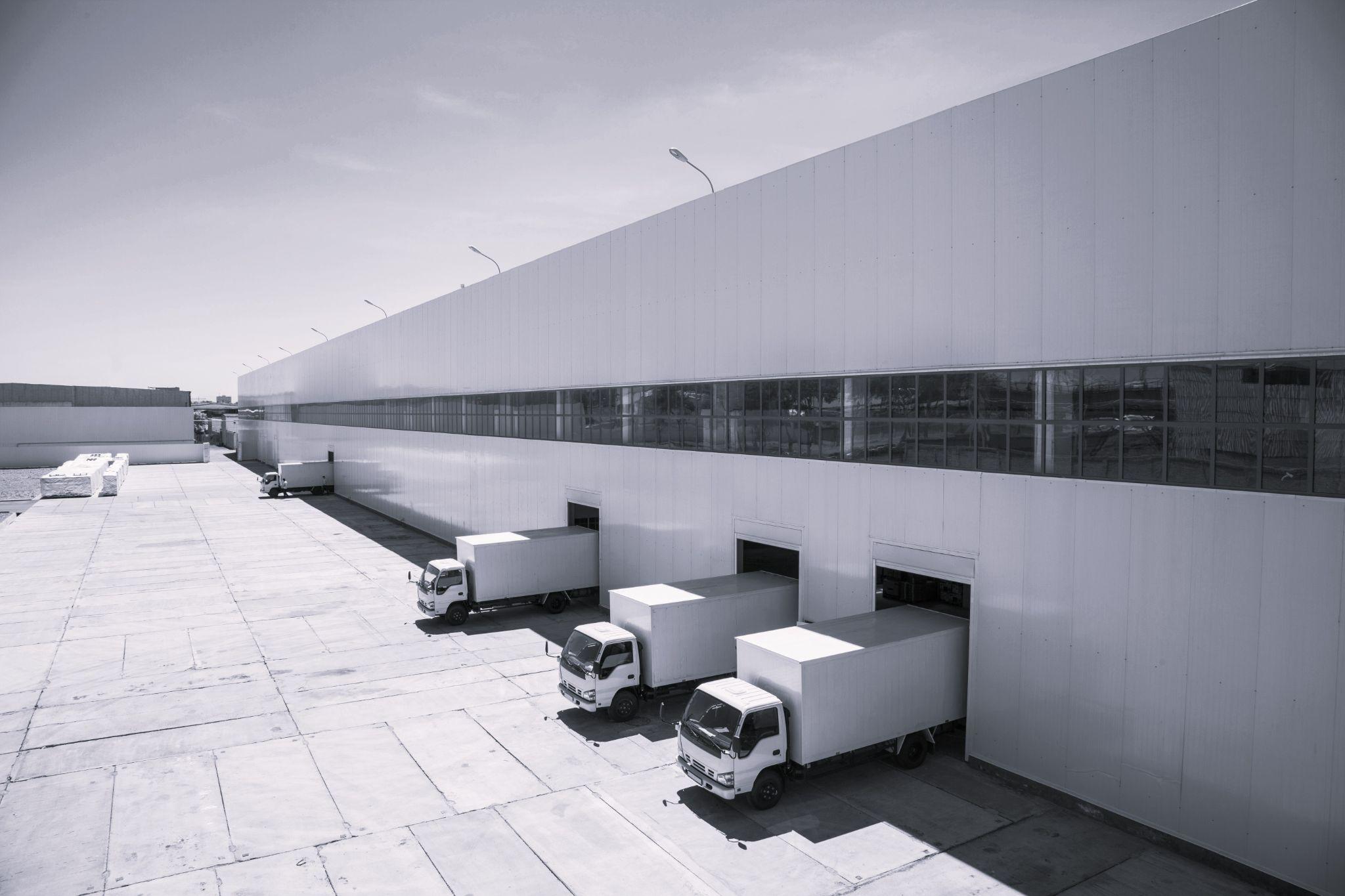
- Loading Docks and Parking: Sufficient loading docks, truck access, and parking must be available for deliveries and employee vehicles.
A well-equipped facility minimizes operational disruptions and supports business continuity.
4. Understand Lease Terms and Negotiation Strategies
Leasing an industrial space involves financial and contractual considerations that must be thoroughly reviewed before signing an agreement.
One of the most important aspects is the lease length, which should align with your business’s long-term plans. A lease that is too short may force an expensive relocation, while a lease that is too long may limit flexibility.
The rental rate and potential increases over time should also be carefully analyzed to ensure that the cost remains manageable. It is important to clarify whether the landlord allows modifications and customizations to the space, as some industrial operations may require alterations to accommodate specific equipment or workflow needs.
Maintenance responsibilities should also be clearly defined in the lease agreement, specifying whether the tenant or landlord is responsible for repairs and upkeep.
Taking the time to carefully negotiate lease terms and review all contractual obligations will help you avoid unexpected costs and secure an agreement that supports your business’s long-term growth.
5. Ensure Compliance with Safety and Regulatory Standards
Industrial rental spaces must meet safety and environmental regulations to avoid penalties and business disruptions. Key considerations include:
- Fire Safety: Fire safety measures should be in place, including proper fire exits, sprinkler systems, and emergency protocols.
- OSHA and Industry Standards: The space must comply with OSHA and industry-specific safety standards.
- Security Measures: Security measures such as surveillance cameras, secure entry points, and adequate lighting should be available.
- Environmental Considerations: Environmental compliance should be verified, especially if hazardous materials are involved.
Verifying compliance before leasing will help you avoid liability issues and costly modifications.
6. Calculate the Total Cost Beyond Monthly Rent
The cost of an industrial rental space extends beyond monthly lease payments. Budget for:
- Utilities and Maintenance: Utility expenses, including electricity, water, and heating, should be factored into the overall budget.
- Insurance Requirements: Insurance requirements must be understood to ensure proper coverage for business operations.
- Common Area Maintenance (CAM) Fees: Common area maintenance (CAM) fees may apply if the space is part of a shared facility.
- Customization and Move-In Costs: Customization and move-in costs should be considered, as some spaces may require modifications.
Understanding the full financial commitment will prevent unexpected expenses and ensure long-term affordability.
Choose a Hassle-Free Industrial Rental Experience with Genuine Property Management
Finding the right industrial rental space is only the first step—having a reliable property management team ensures a smooth experience throughout your lease.
At Genuine Property Management, we take the stress out of renting by offering convenient online rent requests, an easy-to-use tenant portal, and outstanding customer service. Whether you’re trying to find a new warehouse space or expanding your manufacturing operations in the area, our well-maintained Orange County industrial properties provide the efficiency and reliability your business needs.
With responsive support and a commitment to tenant satisfaction, we make managing your industrial rental space simple and hassle-free. Contact us today to get started!