
9 Tips to Make Sure You Get Your Security Deposit Back

Renting a property often comes with one major concern for tenants—getting their security deposit back in full when they move out. While security deposits protect landlords from potential damages, tenants have every reason to take the right steps to ensure they get their money back. Understanding your responsibilities and the landlord’s expectations can significantly increase your chances of a smooth refund process when you move out at the end of your lease.
What Is a Security Deposit?
A security deposit is a sum of money paid upfront by tenants to cover any damages that may occur during their lease. This deposit is typically one or two months of rent held by the landlord in an escrow account until the tenant moves out.
The purpose of the security deposit is to ensure the property is returned in the same condition as it was received, minus normal wear and tear. It provides landlords with a safety net in case repairs, cleaning, or unpaid rent need to be covered.
Once the lease ends, landlords inspect the property and decide whether the full deposit should be refunded or if deductions are necessary. Familiarize yourself with what counts as your security deposit.
For example, you may have paid a non-refundable pet deposit or an application fee when you moved in. These are not part of your security deposit.
What Is Considered Normal Wear and Tear?
One of the most debated aspects of security deposits is what qualifies as normal wear and tear versus actual damage. Normal wear and tear refers to the inevitable deterioration of a property over time due to everyday use. For example, carpet wearing out in high-traffic areas or minor scuff marks on walls can usually be considered normal. These are issues that landlords expect and generally cannot charge for.
On the other hand, damage caused by negligence or misuse is not considered normal wear and tear, such as:
- Stains or tears in the carpet
- Holes or deep scratches on walls
- Severely damaged appliances
- Broken windows or doors
Tips to Make Sure You Get Your Security Deposit Back
Getting your full security deposit back doesn’t have to be a hassle. Follow these tips to help protect yourself and ensure your rental property is returned in great condition:
1. Document the Property’s Condition When You Move In
Document the condition of the property when you first move in. Take detailed photos or videos of every room, including any existing issues like scratches, stains, or dents. Make sure to date these records and share them with your landlord or property manager.
Additionally, make an itemized list of any issues or problems you find at move-in. This way, you’ll have clear evidence to support your case if they try to reduce the amount of the security deposit for any pre-existing issues.
2. Keep the Property Clean Throughout Your Lease
Regular cleaning helps keep the property in good condition. Clean carpets, bathrooms and appliances, as well as mop floors and dust. By keeping up on your cleaning, you will have less to worry about come your move-out date.
3. Address Maintenance Issues Promptly
Inform your landlord immediately if anything breaks or needs repair during your lease. Ignoring issues can lead to bigger problems, which may ultimately result in a deduction from your deposit.
4. Repaint or Fix Minor Damage
Before you move out, most landlords expect tenants to fill holes or touch up minor scuffs on the walls. Using spackle or putty for holes. Some landlords also allow tenants to repaint any areas that need to be touched up.
5. Don’t Leave Trash or Personal Items Behind
Leaving behind trash, furniture, or personal items is a surefire way to lose part of your security deposit. Landlords often charge for removal services if the tenant does not leave the property empty. Remove everything, clean, and dispose of any trash before handing over the keys.
6. Deep Clean Before Moving Out
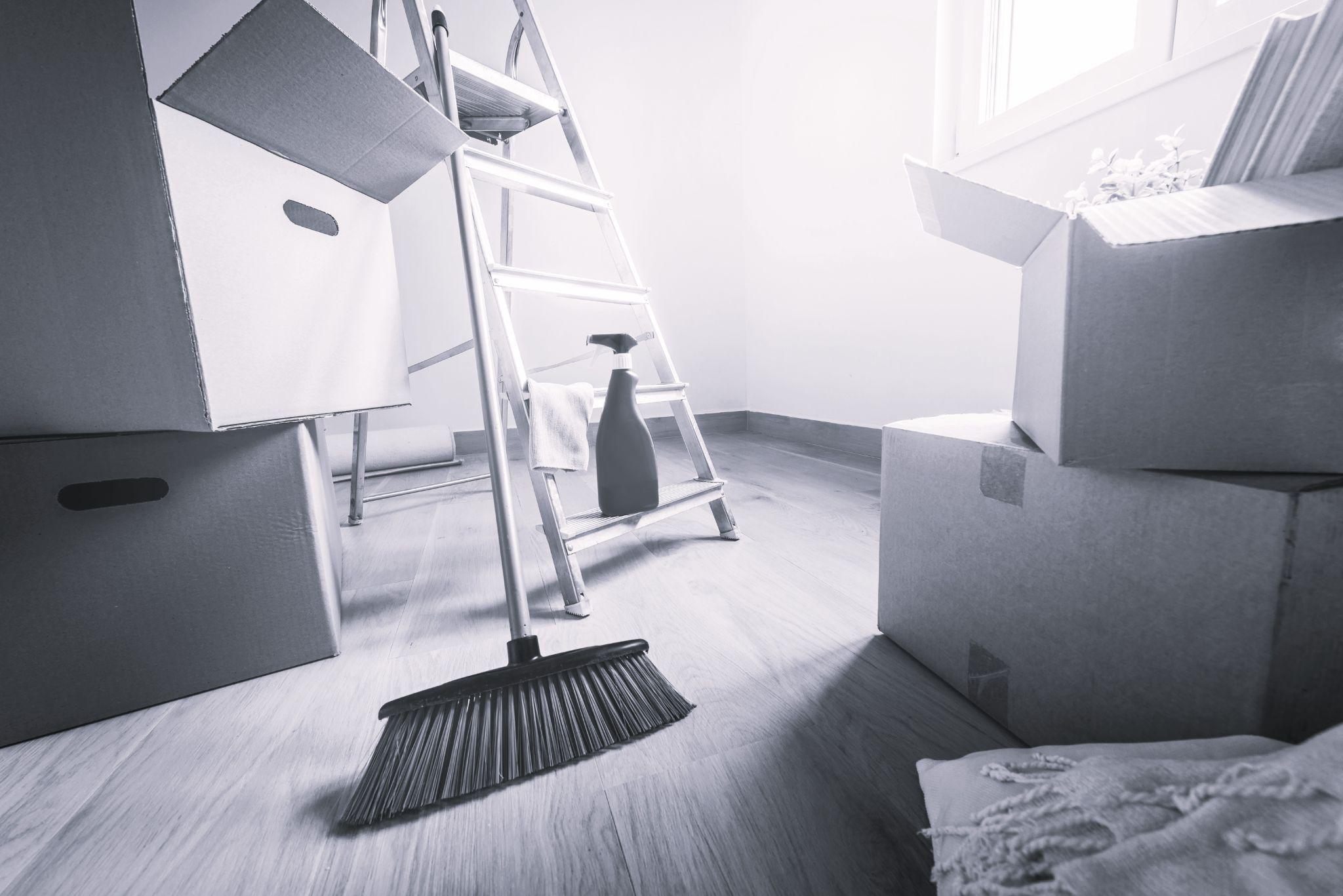
Before your move-out inspection, thoroughly clean the entire property. Focus on areas that might be inspected more closely, such as:
- Kitchen: Clean appliances, countertops, and inside cabinets. Make sure the oven, refrigerator, and dishwasher are spotless.
- Bathroom: Scrub tiles, clean the toilet, and check for any soap scum or mildew buildup.
- Windows: Clean windows and dust the blinds.
- Floors: Vacuum carpets and mop any hardwood or tile floors.
If you don’t have the time to deep-clean thoroughly, consider hiring a professional cleaning service. The upfront cost can save you from potential deductions and increase the amount of the deposit you get returned.
7. Schedule a Pre-Move-Out Inspection
Some landlords offer the option of a pre-move-out inspection. During this walkthrough, they can point out any issues that might result in deductions, allowing you to address those problems before the final inspection.
8. Review the Lease Agreement
Every lease is different, so review yours to understand what’s expected when you move out. Some landlords may have specific cleaning or repair requirements that go beyond general cleaning.
9. Request an Itemized Statement
When the landlord returns the security deposit, verify they included an itemized statement showing any deductions. Compare these to your initial move-in list to dispute any discrepancies.
Find Your New Rental Unit in Orange County Today
At Genuine Property Management, we understand the importance of keeping both tenants and landlords satisfied. Whether you’re a landlord looking for efficient property management or a tenant looking for a new rental unit in Orange County, we’re here to help. Contact us today to learn more about how we can assist you.